The Ibiza issue
The Island Zeus Built: Ibiza's Ancient Soul Before the First Beat Dropped
Long before the superclubs, this was sacred ground — a slow, walkable journey through the Phoenician, Punic, Roman and Moorish island most visitors never notice.

By Bram VermeerBack roads, calas and Dalt Vila
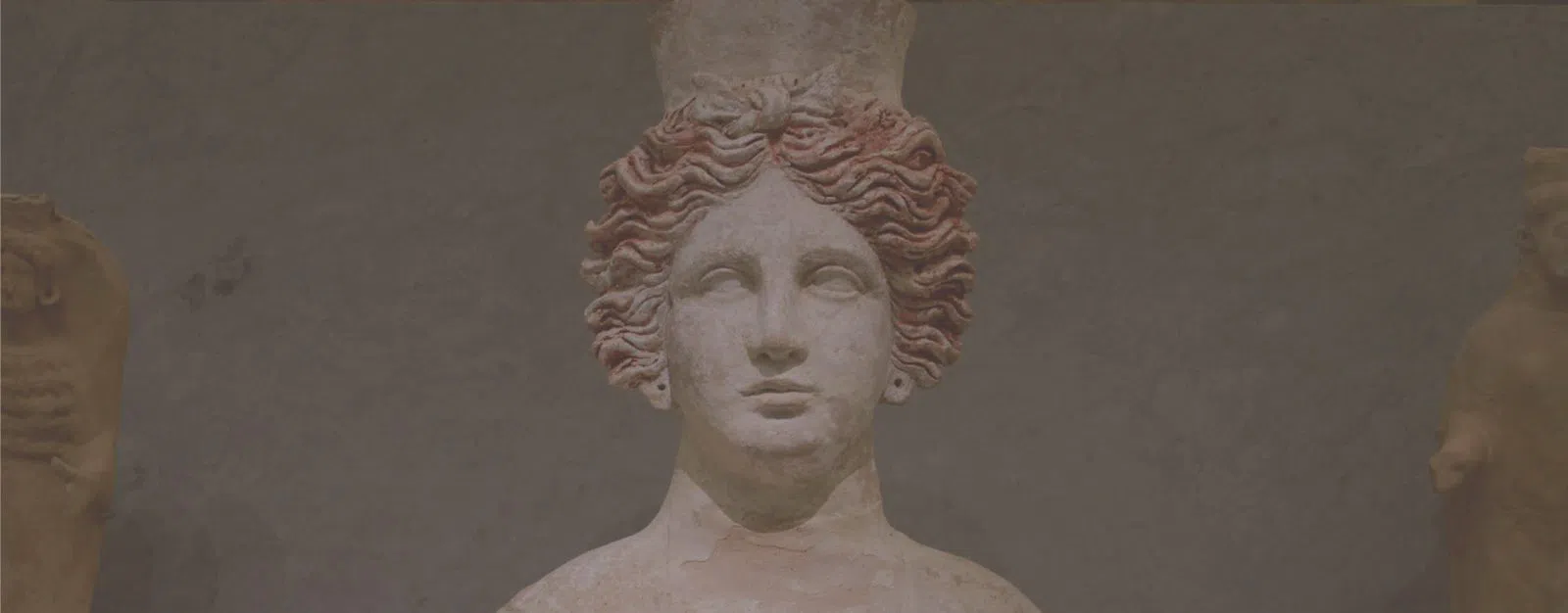
The ferries dock below a hill that has been a burial ground for two and a half thousand years, and most arrivals walk straight past it toward the harbour without a glance. That is the quiet paradox of the island: its oldest and most sacred places sit in plain sight — unfenced, often free, a few minutes on foot from the noise. Give it a slow day or three, mostly on foot and by bike, and Ibiza rearranges itself in front of you: less a stage, more a palimpsest, worked and reworked by everyone who ever needed the sea.
This is a walking and cycling guide to that older island. The distances are small and the reward is texture — the smell of pine and salt, the give of a dirt track underfoot, a Roman channel running quietly beside a modern road. Where you sleep shapes how much of this you can do on foot, so it is worth planning; the Ibiza hotel search will show you what sits within walking reach of the old town, which is where most of this story is stacked.
Beneath the town: the Phoenician dead
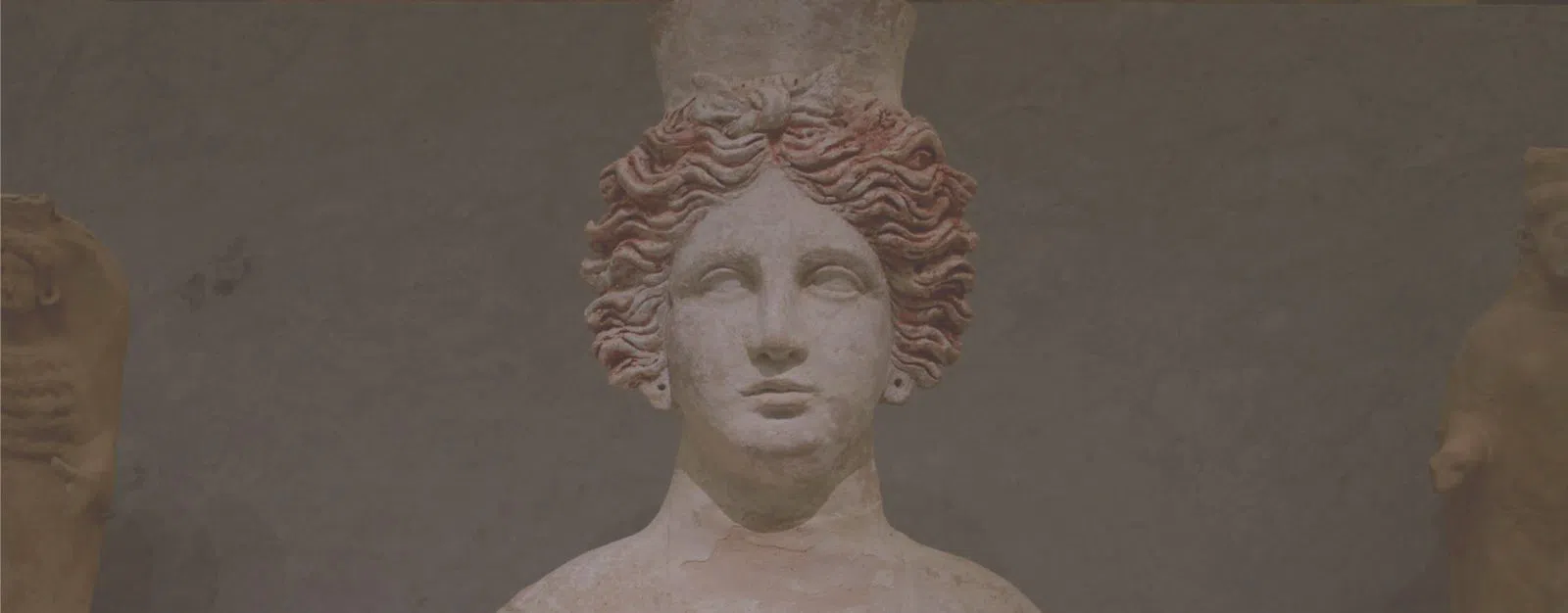
Begin where the recorded story is densest. Necròpolis del Puig des Molins & Museu Monogràfic (MAEF) (Ibiza Town, on the mill hill just below the old walls) is the largest and best-preserved Phoenician-Punic necropolis in the western Mediterranean, and it is the single most important stop on the whole island for understanding what came before. Beneath the terraces lie thousands of hypogea — rock-cut tombs — carved from the 7th century BC onward, when the Phoenicians made this a port of the dead as well as the living. The small monographic museum sets it out plainly, with the terracotta faces and amulets that were laid alongside the buried. It is fully open in 2026, entry has historically been nominal (around €2.40) and is currently free, so there is no excuse to skip it. Educational and cultural groups of 15 or more can request a discounted rate; otherwise it suits everyone, from solo walkers to couples with an hour to spare. Go early, before the day heats up — the hillside offers little shade.
Why a necropolis here, of all places? The Phoenicians read the island as safe ground, a place the dead could rest undisturbed, and that reputation began at the very first settlement. For that you leave town.
Plan your Ibiza trip
Live prices from our booking partners.
Free cancellation on many rooms. We may earn a commission when you book.
The first settlers, on the southern shore
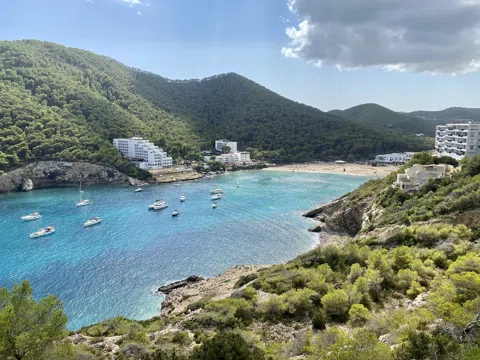
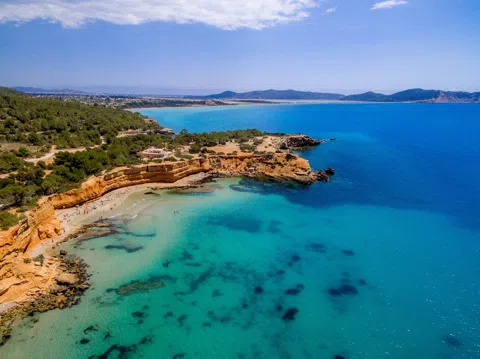
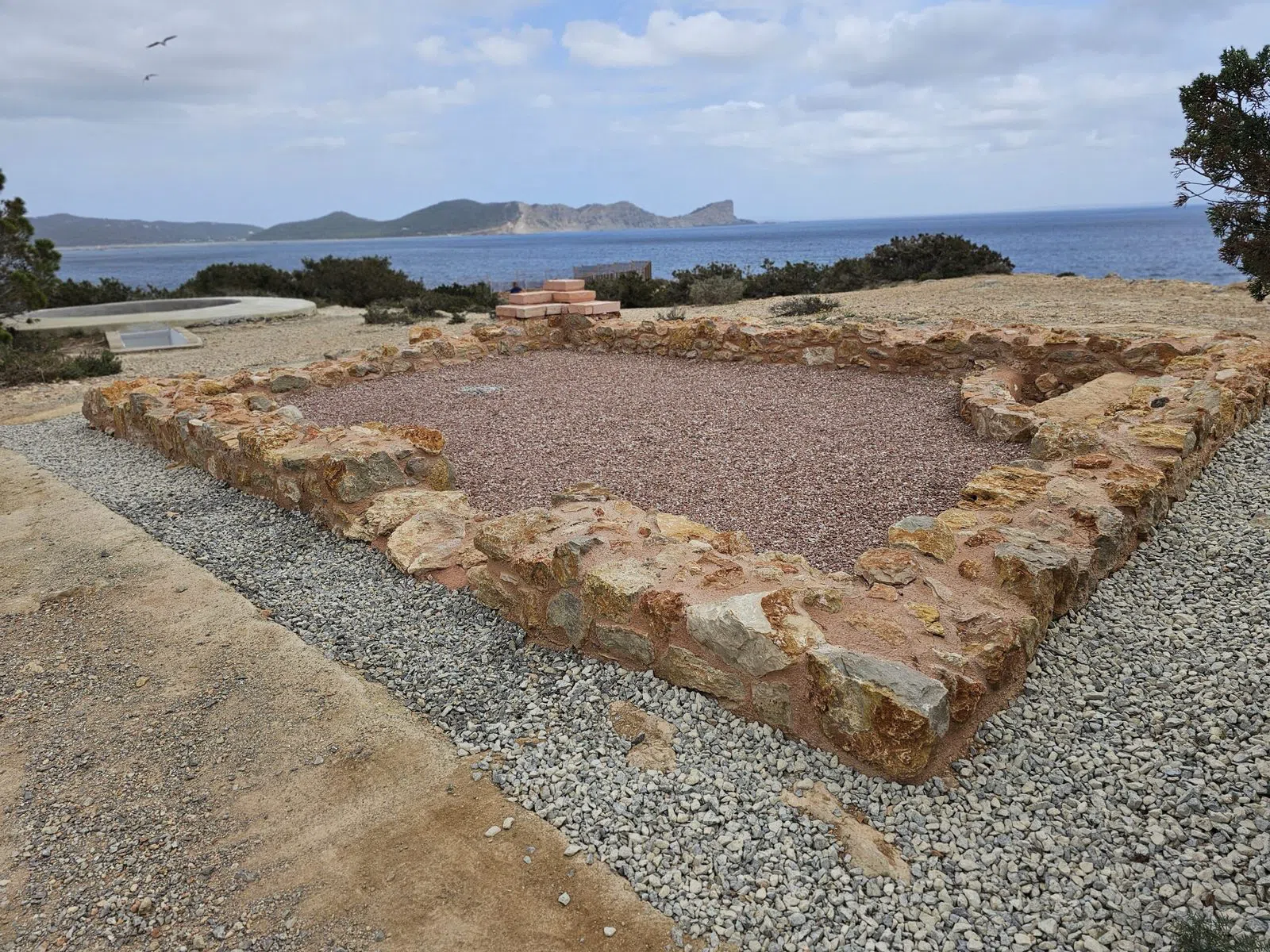
Hire a bike or take the bus down toward the southern headlands for Poblat Fenici de Sa Caleta & Centre d'Interpretació (Sant Josep, on the low cliffs above a small cove). This is where it all started — Ibiza's oldest Phoenician settlement, founded around 654 BC, a cluster of dwellings on a wind-scoured promontory where you can trace the outlines of ovens and storerooms in the exposed rock. It is UNESCO-listed, and since a new interpretation centre opened in April 2025 the site is genuinely walkable rather than fenced off at a distance. The settlement and centre are run as one operation and one entry; pricing is not published online, so verify with the museum before you set out ([email protected] or +34 971 19 59 00), and if you are a group, book the guided tour in advance — it is the only way to be sure of access. Stand at the edge here and the logic of the place is obvious: shelter, a beach to draw boats up, a clear line of sight to the sea. The settlers stayed only a few decades before moving to the natural harbour that became Ibiza Town, but the choice they made set the island's course.
The layered summit: Dalt Vila
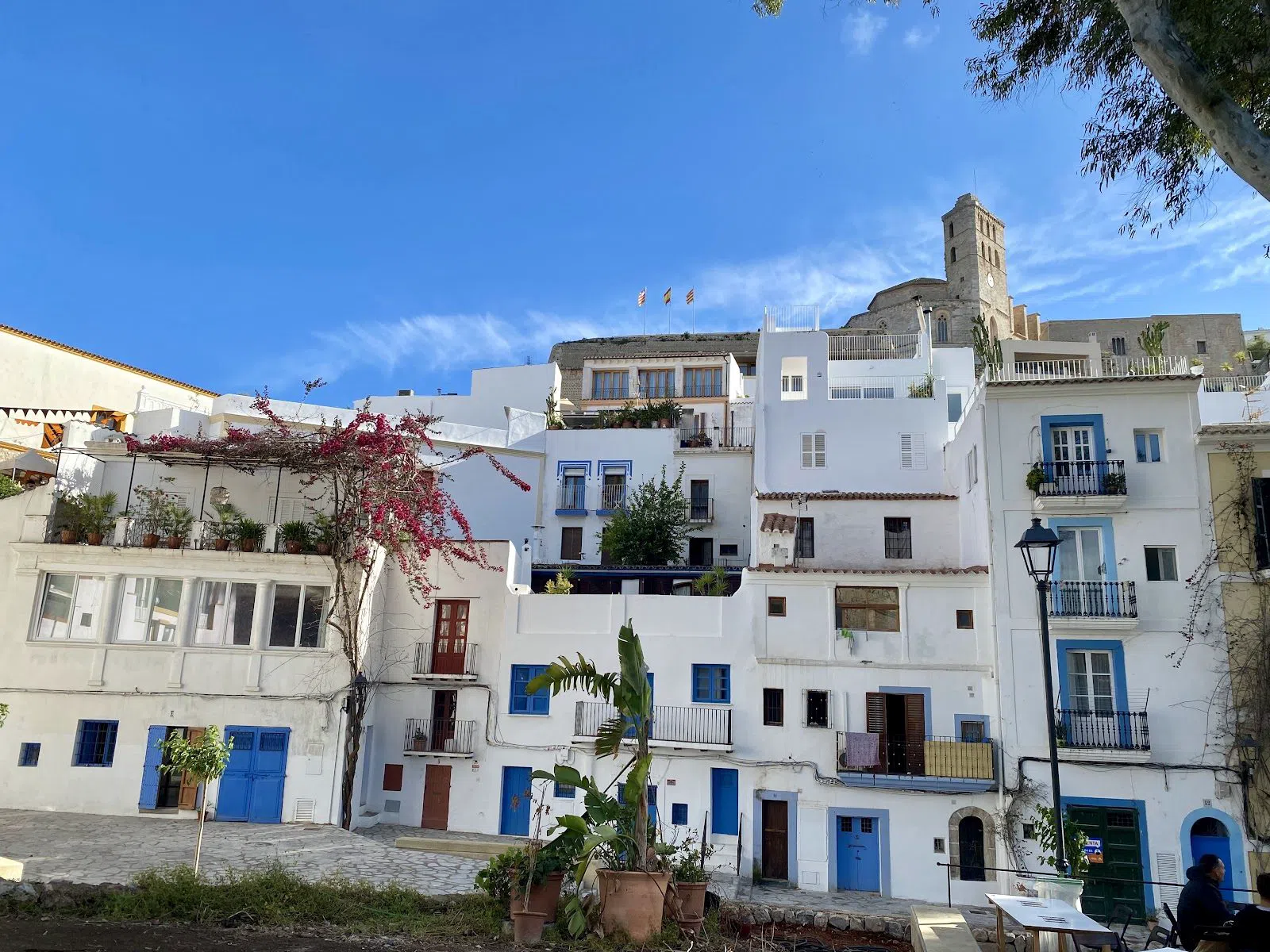
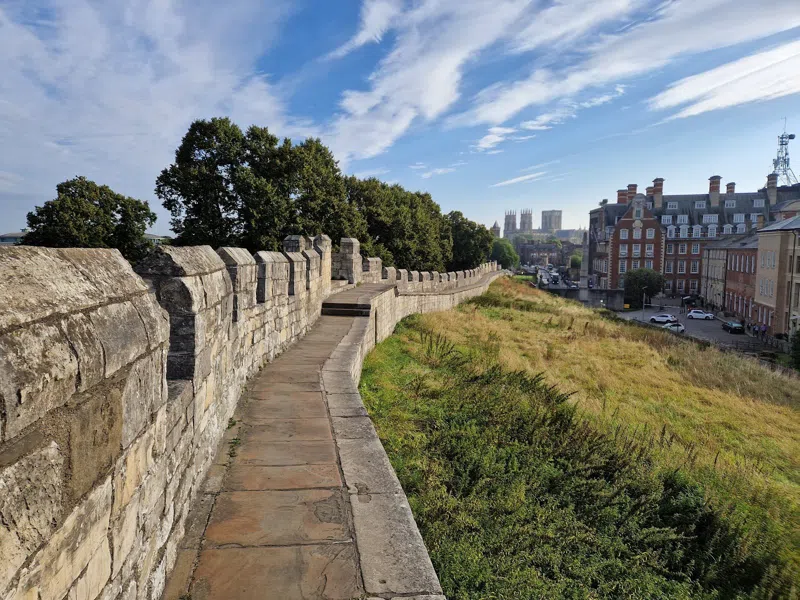
Back in town, everything rises toward one hill. Dalt Vila (the fortified old town, above the port) is the literal and figurative ground this whole story is built on — foundations that run some 2,500 years deep, a Phoenician settlement that became an Arab medina and was finally wrapped in the finest surviving Renaissance artillery walls in the Mediterranean. The streets inside are free and public, and any size of group can walk them, though vehicle access within the walls is heavily restricted, which is a mercy: this is a place for slow feet. Enter through the great ramp of the Portal de ses Taules and simply climb. The route is steep in places and cobbled throughout — flat, grippy shoes, not sandals — and it repays wandering off the main line into the quieter lanes, where cats sleep on warm stone and the sea appears suddenly at the end of an alley.
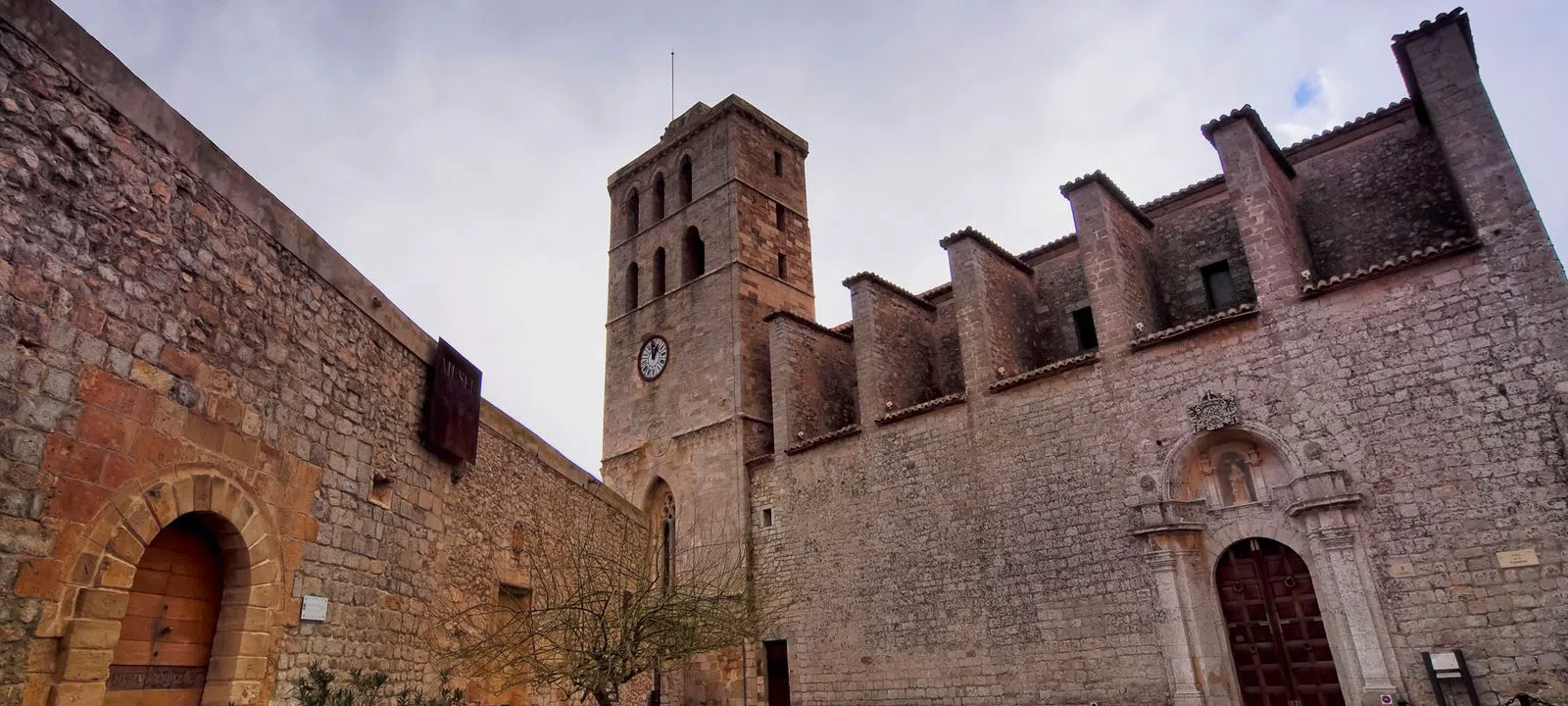
At the very top sits Catedral de Santa Maria d'Eivissa (Dalt Vila summit), and its foundations tell the island's whole religious history in a single stack: a Punic construction, then a Roman temple, then a Moorish mosque, and finally the Christian cathedral you see today, each faith building directly on the sacred ground of the last. This is the brief's 'sacred ground' made completely literal. Entry is free; the small Diocesan Museum beside it may carry a modest separate charge. It remains a working church, so time your visit around Mass — Sunday and Thursday mornings especially — and keep your voice down if a service is underway. The terrace outside gives the best free view on the island: the harbour, the salt flats shimmering to the south, and on a clear afternoon the outline of the neighbouring island low on the horizon.
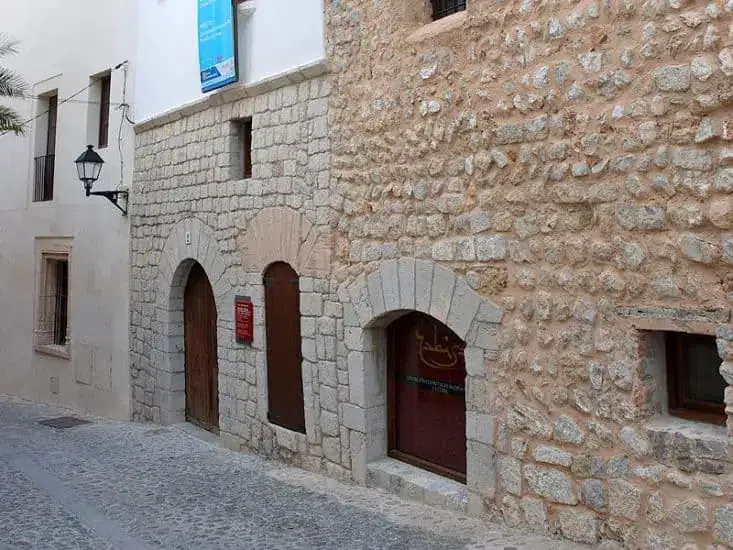
A short walk down from the summit, Centre d'Interpretació Madina Yabisa (Dalt Vila) is the one place in the old town that tells the Moorish story head-on. 'Madina Yabisa' was the Arab name for this hill, and the centre uses models, screens and surviving fragments of wall to reconstruct the medina that stood here for some four centuries before the Catalan conquest of 1235. It is a small, well-made space best suited to independent visitors and small groups, entry is budget-friendly at around €2, and it is worth phoning ahead (+34 971 392 390) because it closes on Mondays and public holidays. Treat it as the key that unlocks the layers you have just walked over.
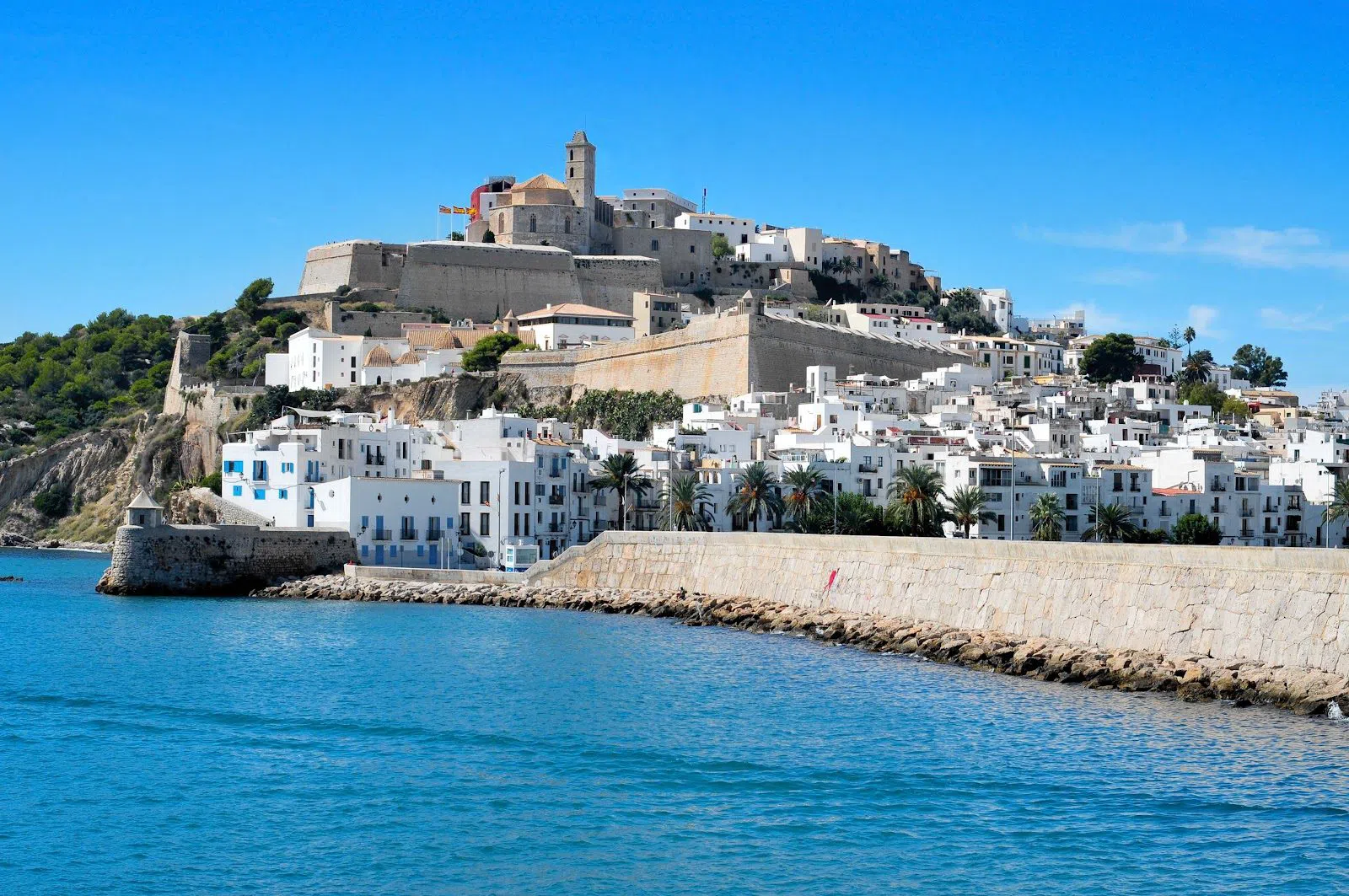
If you would rather have the whole sequence narrated as you climb — Phoenician traders to Roman, Arab and Catalan rulers, walked along those Renaissance fortifications — book the Dalt Vila UNESCO guided walking tour (departing from within the old town). Licensed local guides run private group walks at around €200 per group for two hours, and there are shared, individually bookable tours through the usual marketplaces (Viator, GetYourGuide) at roughly €20–€40 per person. It is confirmed active for 2026. The private option suits families or friends travelling together who want the full story; the shared walks are the sensible choice for a couple or a solo traveller who wants company and context without the cost.
The Moorish thread, beyond the walls
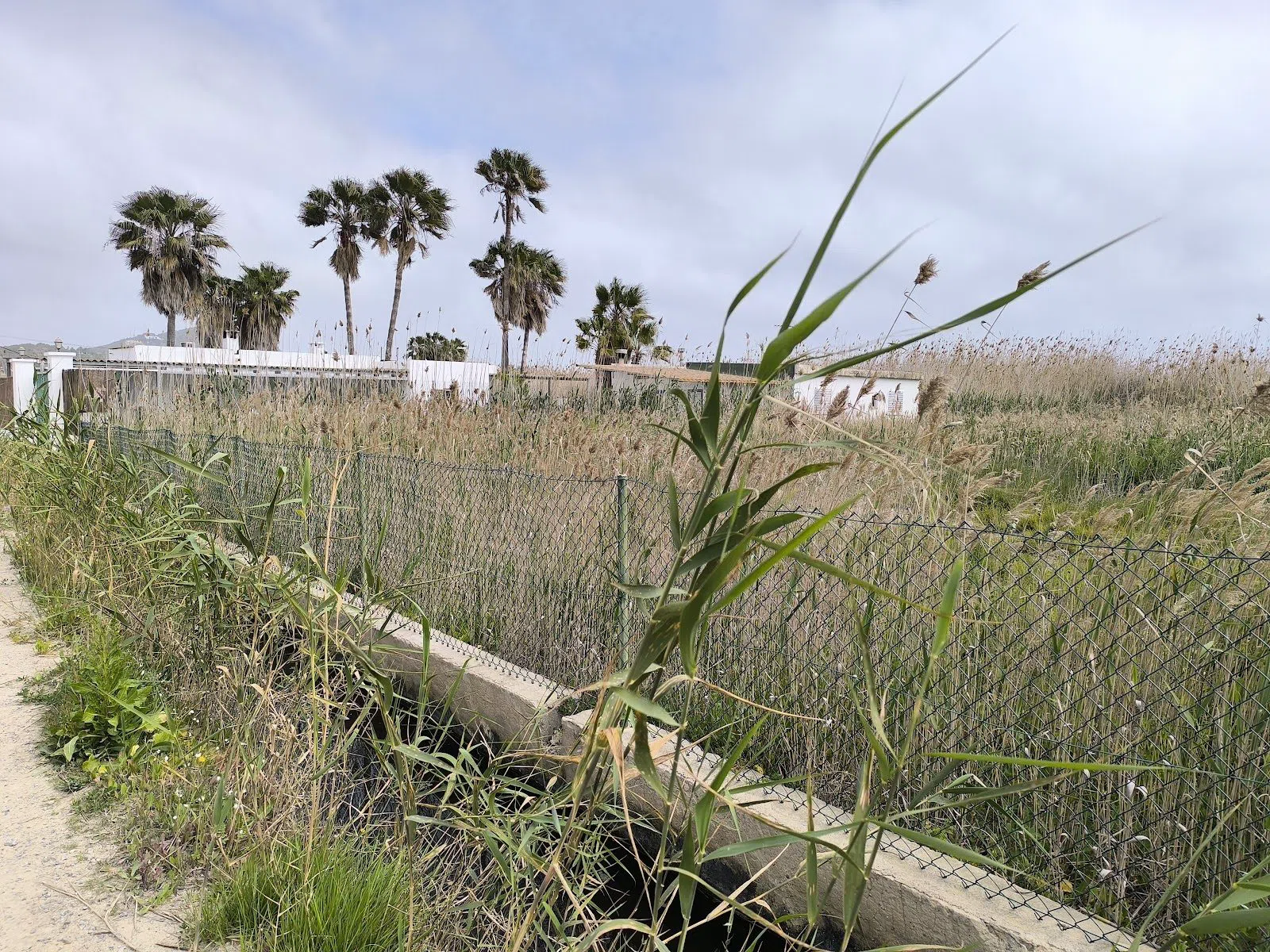
The Moors left more than a name on the hill. Ten minutes' walk from the old town, on the flat land behind the beach, lies Ses Feixes de Talamanca (Prat de ses Monges) (Talamanca, on the edge of Ibiza Town) — a near-forgotten Moorish irrigation masterpiece of channels, sluices and cultivation plots laid out with real hydraulic intelligence. Be honest with yourself about what you will see: this is a surviving legacy network under slow restoration, not a working farm. Cultivation has largely lapsed, some sections are degraded, and much of the land is private, so there is a free public footpath but no wandering across the plots. GEN-GOB and IbizaPreservation arrange occasional guided birdwatching and heritage walks; keep any group small and quiet. Come for the atmosphere of a lost engineered landscape at the town's doorstep, not for a polished attraction.
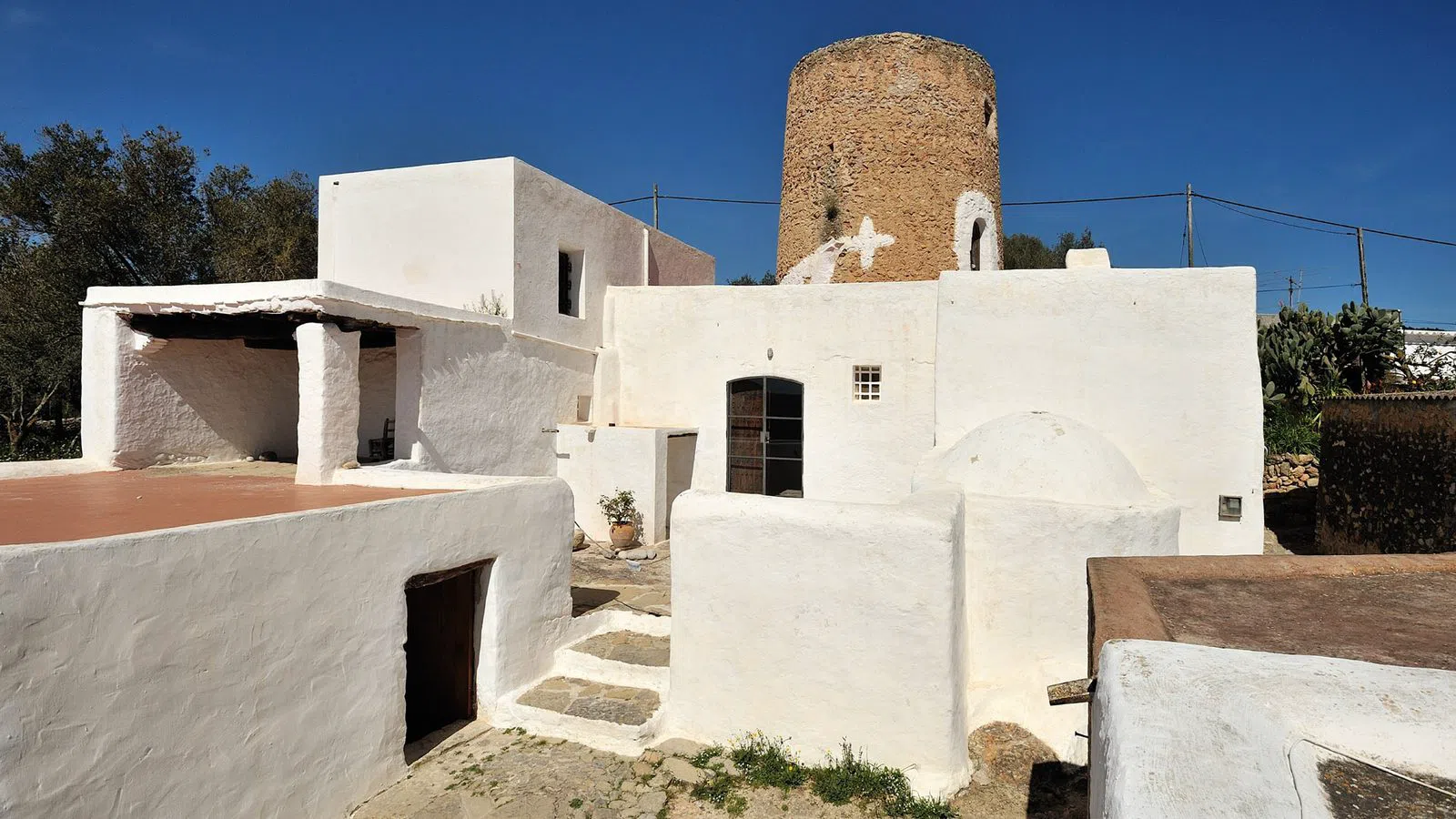
For the Moorish legacy at its most intact, drive or cycle inland to Balàfia (Sant Llorenç de Balàfia) (Sant Llorenç, in the island's rural north). This is a tiny fortified hamlet of whitewashed houses and defensive towers, Moorish in root, where islanders once sheltered from pirate raids — and it is still quietly lived in today. There is no ticket and no visitor centre; you simply walk the public track past the houses. That informality asks something of you in return: this is someone's home, so admire the exteriors, do not enter, and keep your group small and your voice low. Ten respectful minutes here is one of the most genuinely moving things you can do on the island.
The Punic spirit and the salt that funded empires
The island's ancient religion had a beating heart, and it was a cave. Cova des Culleram (Santuari de Tanit) (Sant Vicent, in the far northeast hills) is where roughly 600 terracotta votive figures of the goddess Tanit were found — the Punic spiritual centre of the island, a shrine to fertility and protection tucked into the rock. It is a small, open cave with no booking system, which makes it right for small groups and wrong for coaches. Crucially, it is seasonal: roughly April to October, Tuesday to Sunday, mornings only (about 10:00 to 14:00). Confirm the current dates before you commit, because it is unreliable in deep winter. The approach is a short uphill walk; the reward is the quiet of a place people came to worship for centuries.
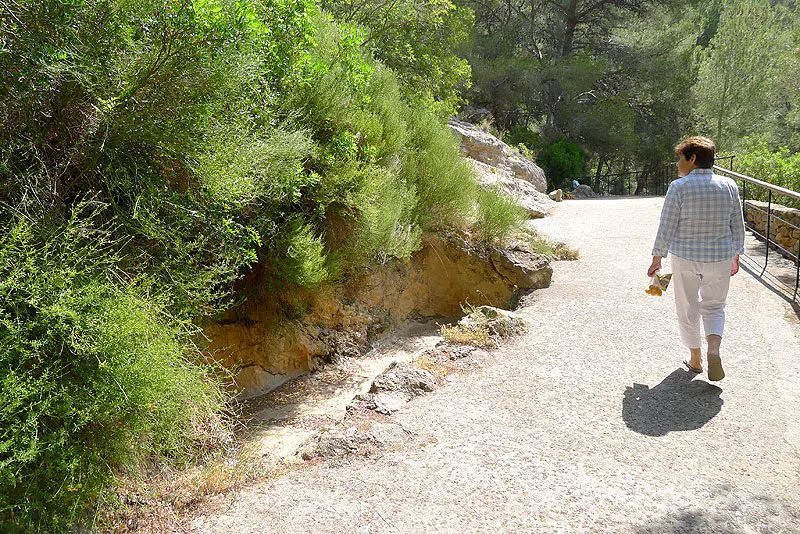
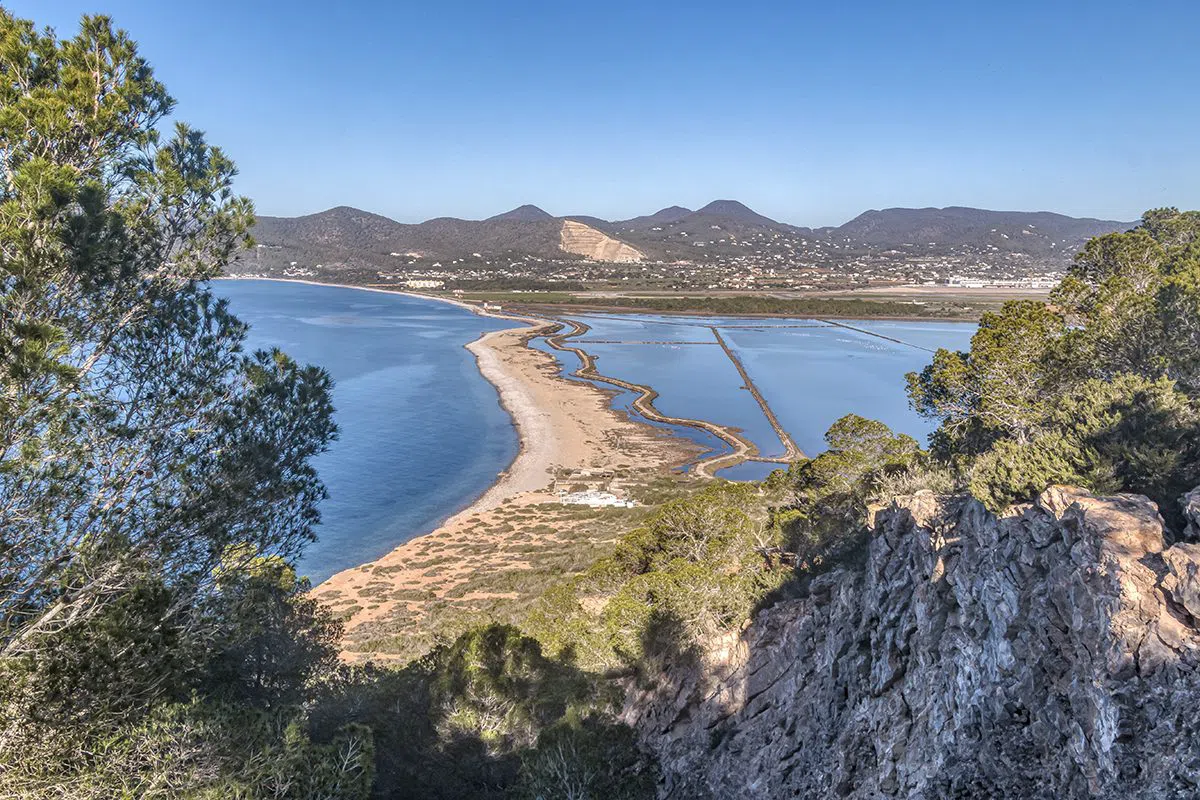
Tanit's people, and the Phoenicians before them, prospered on one commodity above all. Parc Natural de ses Salines d'Eivissa i Formentera (Sant Josep, the southern tip) is a protected natural park built around salt pans that have been harvested continuously since Phoenician times — this is, quite literally, the salt that funded empires, and it is still worked today. Access to the park is free and open, the flat paths between the pans are ideal for an unhurried walk or a slow cycle, and the birdlife — flamingos among the reflections in spring and autumn — is reason enough to come. Ranger-led group nature activities can be booked on +34 971 177 688. A dedicated Interpretation Centre at Sant Francesc has been planned but is not yet confirmed open, so do not build your day around it. Come at the low golden light of late afternoon, when the pans turn pink and the whole southern end of the island falls silent.
Rome's working island
The Romans arrived and, tellingly, they industrialised. Two small monuments make the point better than any museum. Aqüeducte Romà de s'Argamassa (Santa Eulària, on the eastern coast at s'Argamassa) is a rare 1st-century survival — a stretch of Roman aqueduct that once fed coastal fish-processing tanks producing garum, the prized fermented fish sauce of the empire. It is a free, open-air roadside monument with no facilities and no ticket, freely accessible to any size group at any hour. It takes ten minutes to see and it quietly rewrites the island's image: Rome ran industry here, not just temples.
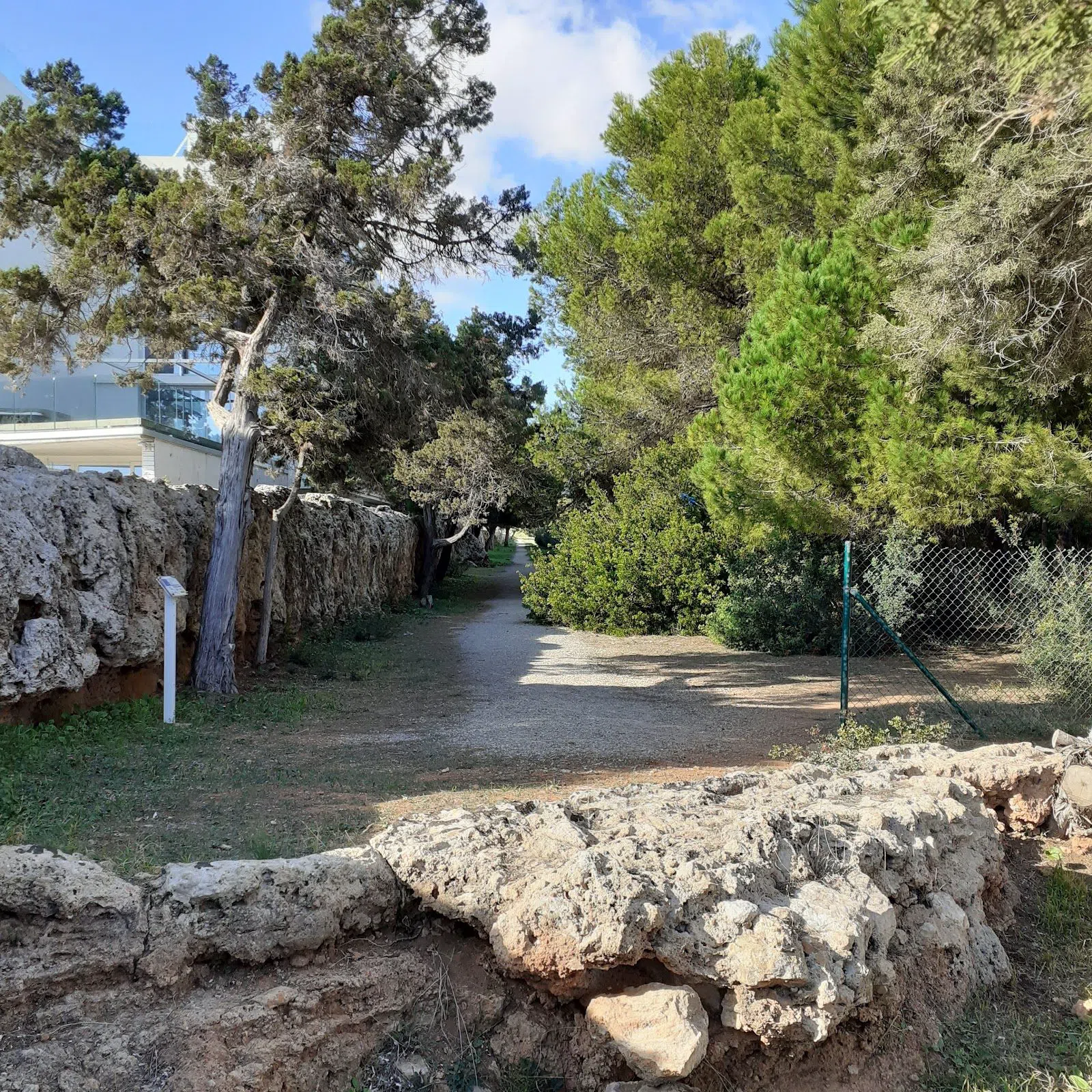
Inland from the southwest coast, Ses Païsses de Cala d'Hort (Punic-Roman settlement) (Sant Josep, above Cala d'Hort) is the countryside counterpart to Dalt Vila — the oldest and best-preserved rural farmstead in the island's history, in continuous use from the 5th century BC through Roman and Byzantine times. It is a low-cost or nominal visit, run as part of the island's Ethnographic Museum, open Tuesday to Saturday mornings (with seasonal afternoons); phone +34 971 332 845 for group arrangements. Note the closures: Sundays and Mondays year-round, and a longer winter break from 20 December to 20 January. Combine it with the salt flats and Cala d'Hort for a full slow day in the island's ancient south.
Practical notes
Getting around: the ancient sites are scattered but the distances are modest. Ibiza Town — the necropolis, Dalt Vila, the cathedral, Madina Yabisa and Ses Feixes — is entirely walkable and best done on foot; wear proper shoes for the cobbles and the climb. For Sa Caleta, ses Salines, Ses Païsses, s'Argamassa, Culleram and Balàfia you will want a bike, a scooter or a car; a bicycle is a genuine pleasure on the flat southern tracks around the salt pans, less so on the hilly north. Buses run to the main villages but thin out sharply off-season.
Cash and tickets: several of the best sites are free (the necropolis currently, Dalt Vila's streets, the cathedral, s'Argamassa, the salt park, Balàfia, Ses Feixes). Where there is a charge it is small — roughly €2 at Madina Yabisa, nominal at Ses Païsses, unpublished at Sa Caleta (verify first). Carry a little cash for the smaller centres and for phoning ahead.
Timing: the two things that will derail a trip are seasonal hours and closing days. Cova des Culleram is roughly April–October, mornings, closed Mondays; Ses Païsses closes Sundays, Mondays and 20 Dec–20 Jan; Madina Yabisa closes Mondays and public holidays; the cathedral works around Mass. Phone before you set out to any of them. Mornings and late afternoons are kindest for both light and heat.
Budget and pace: you could see the headline sites in two unhurried days for the price of a few small entry fees and some bike hire. Spread it over three and you will actually feel the island's age rather than tick it off. For where each site sits, how to reach it and what else is nearby, the full Ibiza guide is the companion to this piece — and the deep, quiet Ibiza it describes was here millennia before the first beat ever dropped, and will be here long after.
Before you go
Is there real ancient history to see in Ibiza, or is it all beaches and clubs?
Yes — a great deal. Ibiza holds the western Mediterranean's largest Phoenician-Punic necropolis (Puig des Molins), the 2,500-year-old fortified old town of Dalt Vila, the Punic cave-shrine at Es Culleram, a Roman aqueduct at s'Argamassa, and salt flats worked continuously since Phoenician times. Most sit within a short walk or ride of Ibiza Town.
How much does it cost to visit Ibiza's ancient sites?
Many are free, including the streets of Dalt Vila, the cathedral, the s'Argamassa aqueduct, the salt park, Balàfia and the Puig des Molins necropolis (currently free, historically about €2.40). Where there is a charge it is small — around €2 at the Madina Yabisa centre and nominal at Ses Païsses. Sa Caleta's price is unpublished, so confirm with the museum first.
Can I explore the ancient sites on foot or by bike?
Ibiza Town's cluster — the necropolis, Dalt Vila, the cathedral, Madina Yabisa and Ses Feixes — is entirely walkable, though Dalt Vila is a steep cobbled climb best done in proper shoes. Outlying sites like the salt flats, Sa Caleta and s'Argamassa suit a bike or scooter; the flat southern tracks near the salt pans are especially good for cycling.
Is the Es Culleram cave shrine open all year?
No. Cova des Culleram (the Santuari de Tanit) is seasonal — roughly April to October, Tuesday to Sunday, mornings only (about 10:00–14:00). It is unreliable in deep winter, so always confirm current dates before travelling out to it.
Which ancient sites are best for couples versus groups?
Small, quiet places like Cova des Culleram, Balàfia and Ses Feixes suit couples and small groups, and Balàfia is a lived-in hamlet where you view exteriors only. Dalt Vila, the necropolis and the salt park comfortably handle any size, and the guided Dalt Vila walking tour is built for groups, with private walks around €200 and shared tours at €20–€40 per person.