The Ibiza issue
The Hippy Circuit: Ibiza's Markets and the Island's Boho Roots
From the flagship bazaars of Sant Carles to the drum-jam flea market on a disused racetrack — a market-by-market guide to where Ibiza's bohemian spirit still actually lives in 2026.
By Chiara De LucaFrom Naples to the Santa Gertrudis market
The word "hippy" gets stamped on so much of Ibiza that it can start to feel like a marketing sticker — a font on a beach bar, a colour scheme for a gift shop. But scratch the tie-dye and there's a real story: the 1960s dropouts and draft-dodgers who washed up on the island's northern coves, the artisans who stayed and are still hammering silver in whitewashed village squares today. The markets are where that history is still legible, if you know which stalls sell soul and which sell souvenirs. This is the hippy circuit — which markets earn your morning, which absorb a big group without blinking, and what you'll actually pay once you're there.
Before you go chasing every stall on the island, a bit of triage. There are roughly a dozen markets worth knowing, and they fall into clear camps: two flagship bazaars everyone means when they say "the hippy market," a handful of genuinely local hunts where islanders do their weekend shopping, a scatter of Sunday village markets in the mellow north, and a run of summer evening markets built for people who want to browse before dinner or a club. Pick two or three that suit your days and your crew rather than trying to tick them all. For the wider lay of the land — beaches, neighbourhoods, where to base yourself — the Ibiza guide is the place to start.
Start with the big two
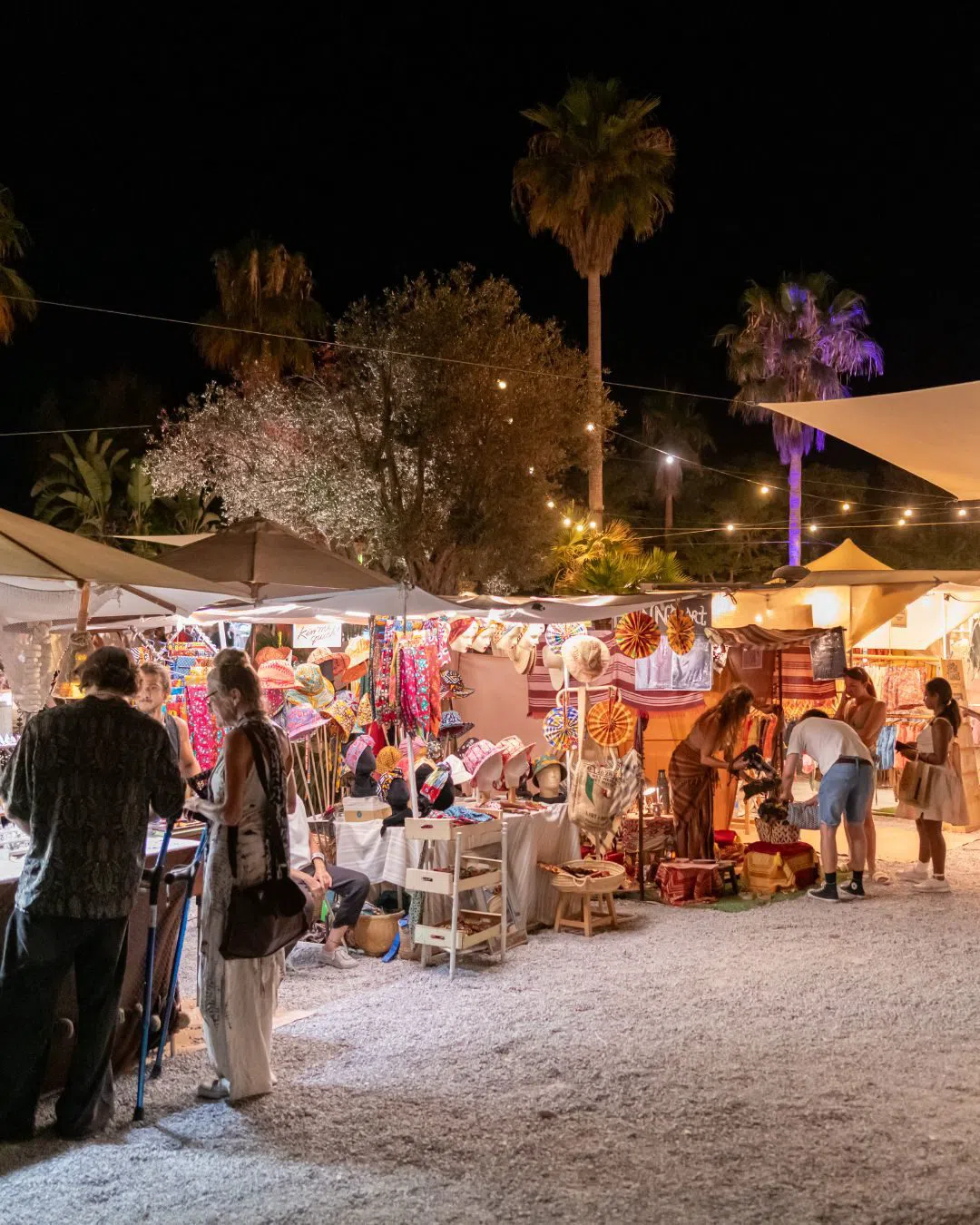
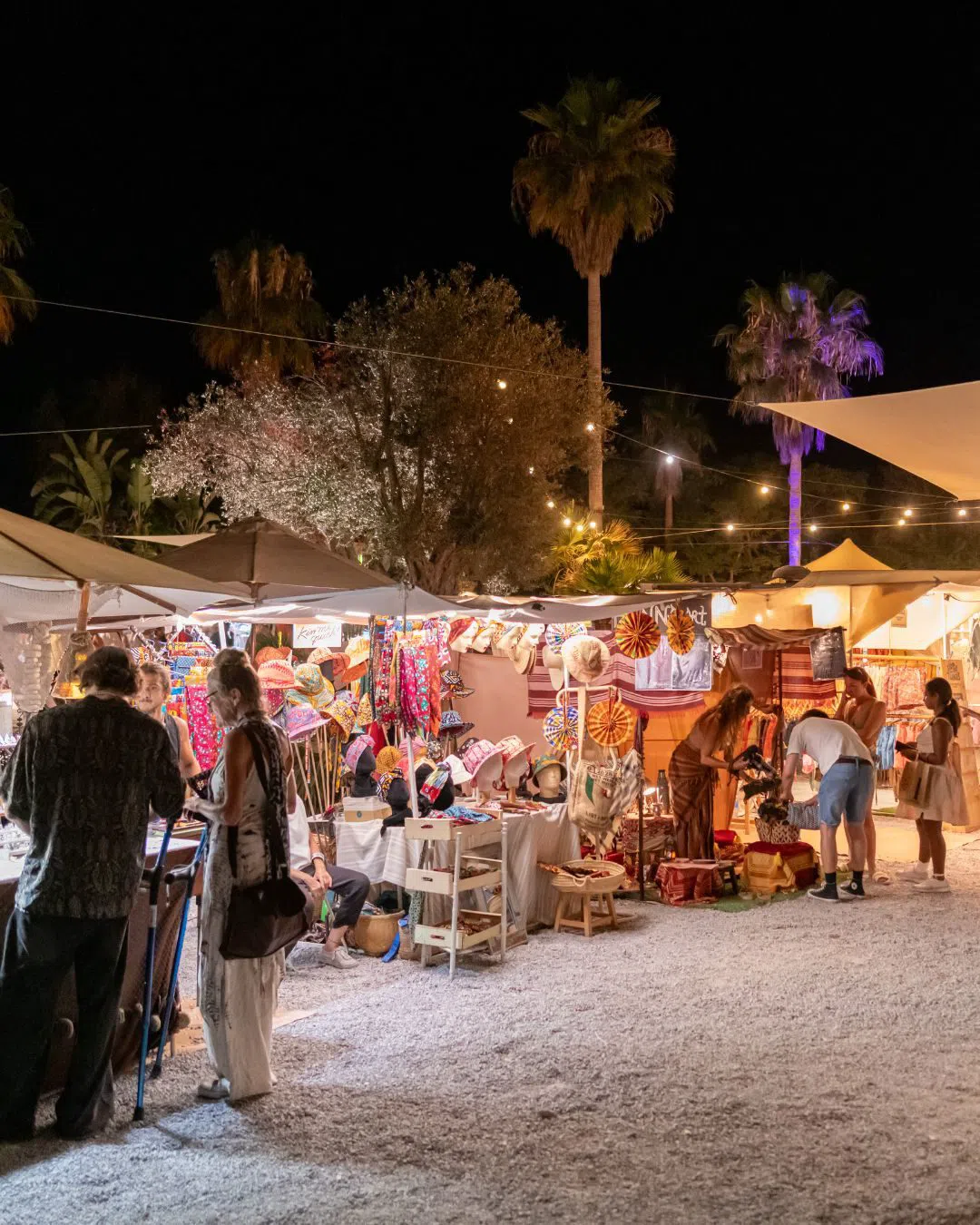
If you do one market, make it Las Dalias Hippy Market (Sant Carles, in the northeast). It has been running since 1985 and remains the island's beating bohemian heart: hundreds of open-air stalls under the trees selling leather, silver, incense, hand-stitched clothes and a fair bit of honest tat, with live music threading through the whole thing. Entry is free and there's no door policy, which makes it effortless for big parties — nobody counts heads at an open-air market. The Saturday edition runs year-round, so it's your reliable option out of season; in summer it expands with a Sunday market and a lantern-lit night market on Monday, Tuesday and Sunday evenings, which is the prettier, slower way to see it. Budget €5–€60 and up: a stack of incense or a bracelet is a few euros, a properly made leather bag or a linen dress climbs toward the top of that range. Haggling is expected but gentle — this isn't a souk, and the makers know what their work is worth.
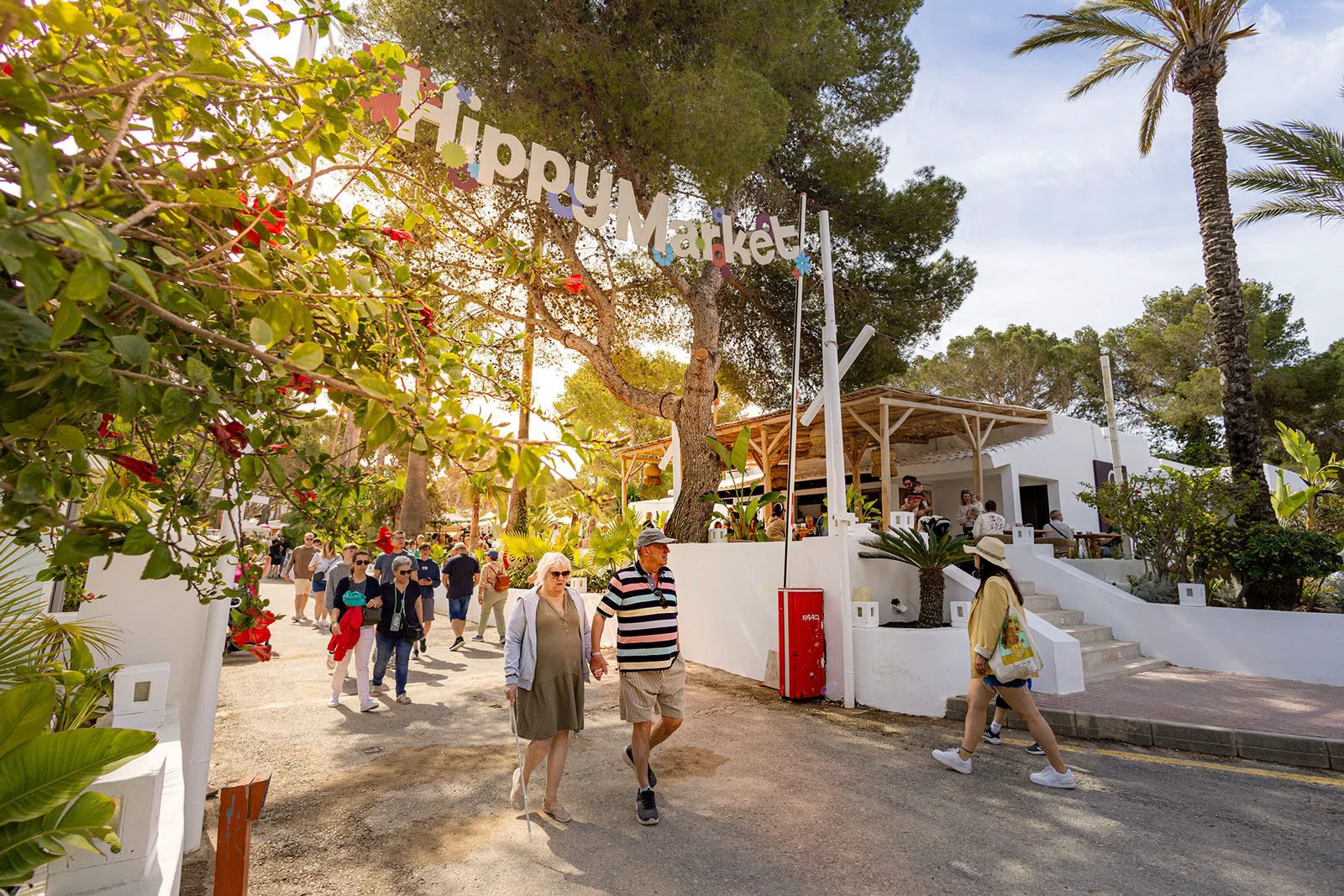
The other giant is Punta Arabí Hippy Market (Es Canar, on the east coast), the original and largest on the island, going every Wednesday from April to October. It's vast — a sprawling open-air site that swallows tour-bus crowds and stag groups alike without ever feeling crushed — and it is unashamedly touristy, heavy on sarongs, sunglasses and fridge magnets. That's not a reason to skip it, especially if it's your first Ibiza market: the scale is genuinely impressive and there are real artisans mixed in among the imports if you're patient. Prices sit a touch lower than Las Dalias, roughly €5–€50, and the crowds thin noticeably if you arrive when it opens rather than at lunchtime. Come early, do a full loop, then get out before the midday heat and the coach parties peak.
Plan your Ibiza trip
Live prices from our booking partners.
Free cancellation on many rooms. We may earn a commission when you book.
Where the island actually shops
The flagship markets are the postcard; these three are where you feel the island's own weekend rhythm. Mercat de Forada (out on the Buscastell road between Sant Rafel and Santa Agnès) is the connoisseur's pick — a small, rustic, roadside farmers-and-artisans market every Saturday that has kept the genuine rural hippie spirit alive without tipping into performance. It's intimate rather than sprawling, so a large group will fill it, but everyone comes for the same reason: the vegan paella served up around 13:00, which regulars plan their morning around. Produce and crafts run €2–€40. Honest verdict: this is authentic in the real sense — un-touristy, low-key, a favourite of people who've been coming to the island for years — so treat it gently and don't expect a polished shopping experience.
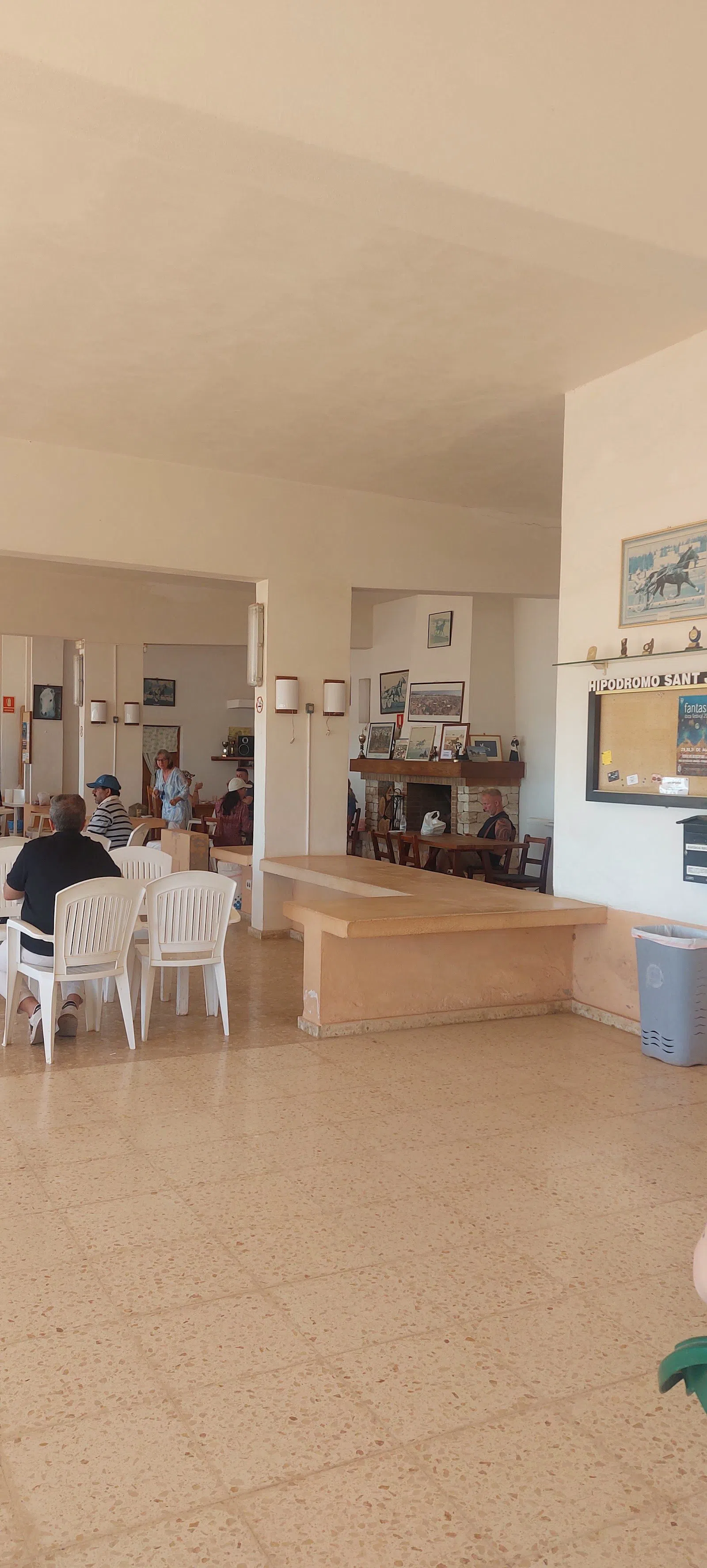
For pure bargain-hunting, the Mercadillo de Sant Jordi (the Hippodrome Flea Market, on the disused racetrack at Sant Jordi near the airport) is the most local vibe on this list. It's a Saturday-morning car-boot and flea market spread across a wide-open racetrack — antiques, vinyl records, vintage clothing, dusty curios and second-hand everything, with impromptu drum jams starting up around midday. Entry is free and the space is enormous, so groups are a non-issue. Bargains start at €1 and rarely top €30. This is a hunter's market, not a crafts market: come for the thrill of the dig and the people-watching, not for a tidy stall of handmade ceramics. Bring small notes and be ready to rummage.
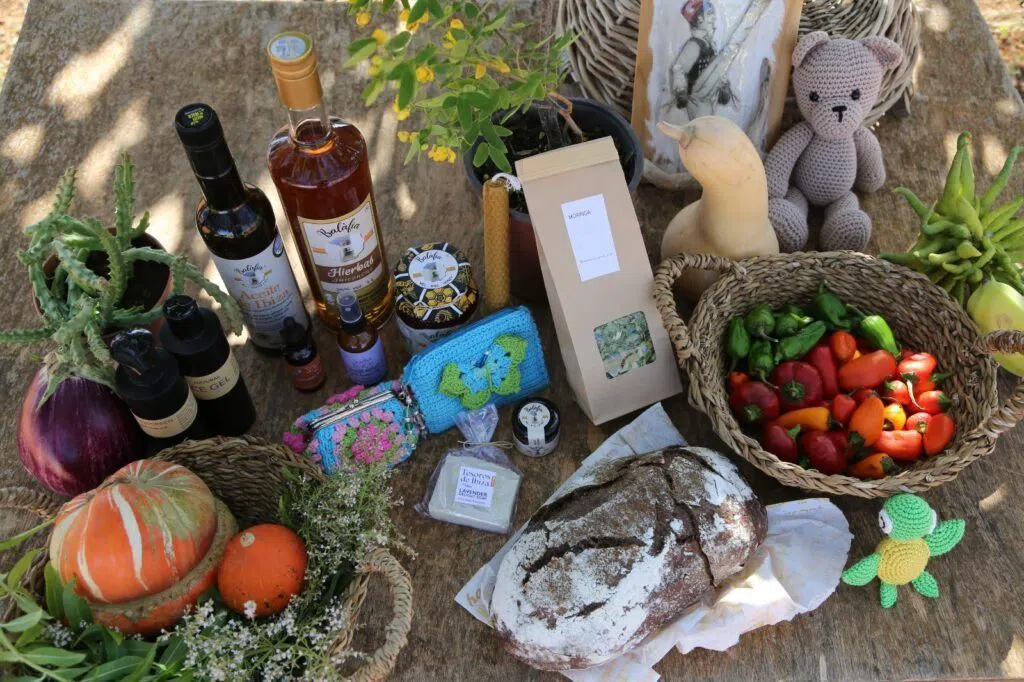
Rounding out the local trio, the Sant Josep Ecological Market (in the village square of Sant Josep de sa Talaia, in the southwest) is a Saturday-morning organic and ecological market running April to mid-October. It's small and wholesome — geared to island growers, with produce, plants and a handful of crafts rather than a big shopping spread — so it suits a couple or a small group pausing on a southwest drive more than a large party. Prices are gentle, €2–€35. It pairs well with a morning coffee in one of the prettiest whitewashed villages on the island before the beaches fill up.
Sundays in the north and east
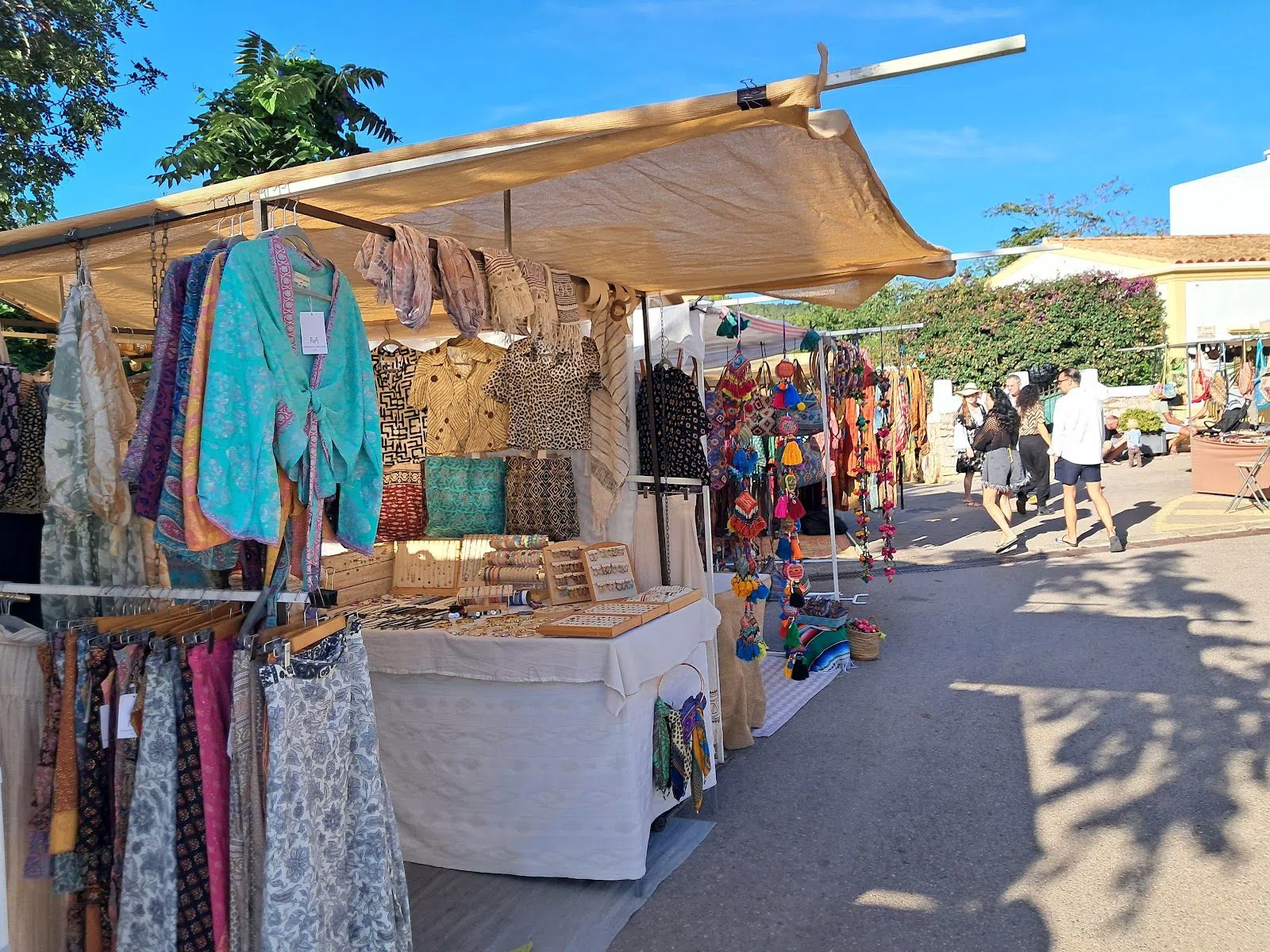
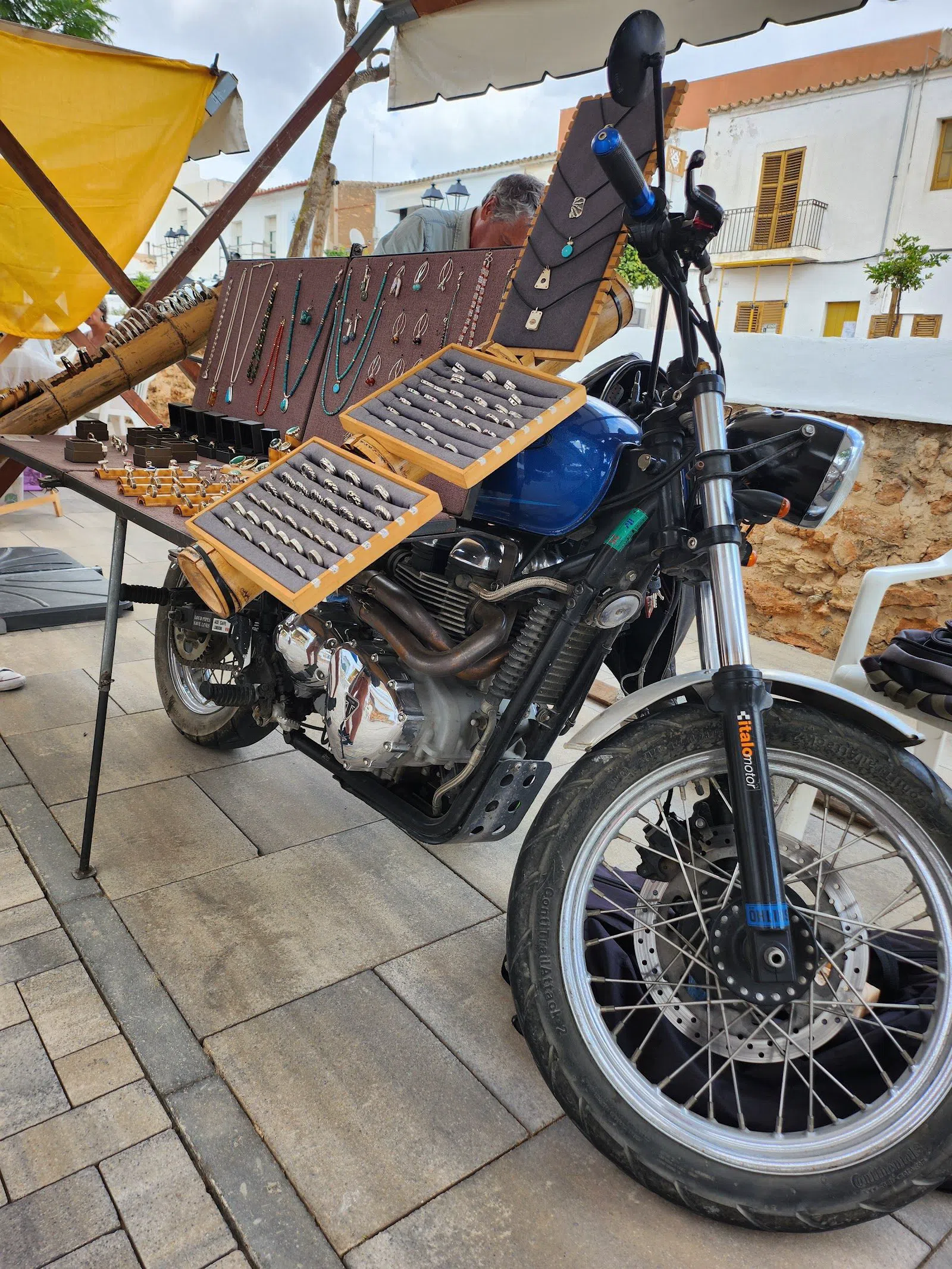
Sunday is village-market day, and the north wears it best. The Sant Joan Artisan Market (Sant Joan de Labritja, deep in Ibiza's north) gathers local farmers, artists and makers in a relaxed village square, with live music from around noon. It's free and comfortably sized for a group, and the vibe is unhurried in a way the big markets can't be — this is the mellow, green, tucked-away side of the island. Crafts run €5–€45. The smart move is to build a north-coast day around it: market at midday, lunch in the village, then push on to one of the quiet northern coves for the afternoon.
On the east coast, the Cala Llenya Market (at Cala Llenya beach, near Sant Carles) offers a laid-back seaside alternative to the flagship bazaars. It's a Sunday market of genuinely Ibiza-made crafts set right beside a calm, family-friendly beach, with live music and a communal paella that turns the middle of the day into an event. Free entry, crafts €5–€40, and being open and beachside it's easy for groups. This is the one to combine with a swim: browse the stalls, spread a towel, eat the paella, repeat. It suits families and easygoing crews far better than anyone hunting serious artisan pieces.
Artisan evenings
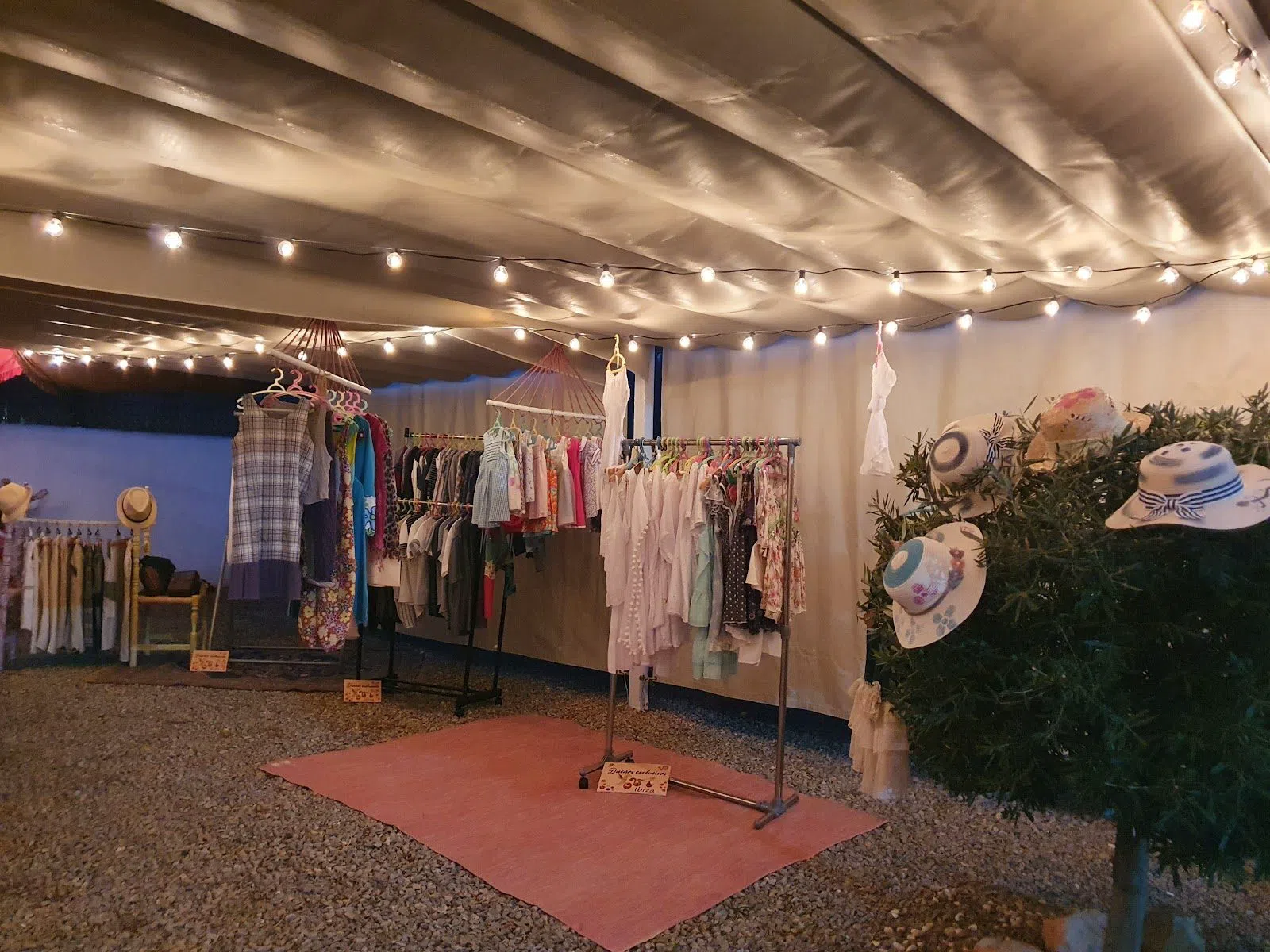
When the sun drops, a different set of markets opens — smaller, craft-focused, and often stricter about what counts as handmade. The purist's choice is the San Rafael Evening Artisan Market (Sant Rafel, midway between Ibiza Town and Sant Antoni), a Thursday-evening summer market where only true artisans are permitted to exhibit. That vetting shows: this is the place for authentic handmade ceramics, jewellery and textiles rather than imported goods, and prices reflect it at €10–€70. It's open-air and free, fine for groups, and a good antidote if the big markets have left you cynical about "artisan" as a word.
A short hop away in spirit is the Santa Gertrudis Artisan Market (Santa Gertrudis de Fruitera, dead centre of the island), a Friday-evening market that runs the short summer season from June to early September. It's genuinely artisan and deliberately small, set in the square of the island's foodie village — which is the whole point. Goods run €10–€60, and the real play here is market-then-dinner: browse the stalls, then walk two minutes to one of the village's celebrated tapas bars. It's compact enough that a large group is better splitting between the market and a table.
For scenery, nothing beats the Sant Miquel Handicraft Market (down at Port de Sant Miquel, a pretty northern cove), a low-key evening craft market open May to October along the seaside promenade. It's quiet, relaxed and free, with crafts from €5–€45 — never crowded, easy for a group, and best treated as an add-on rather than a destination. Time it with sunset drinks at the port and you've got a gentle northern evening that costs almost nothing.
Town-and-beach convenience
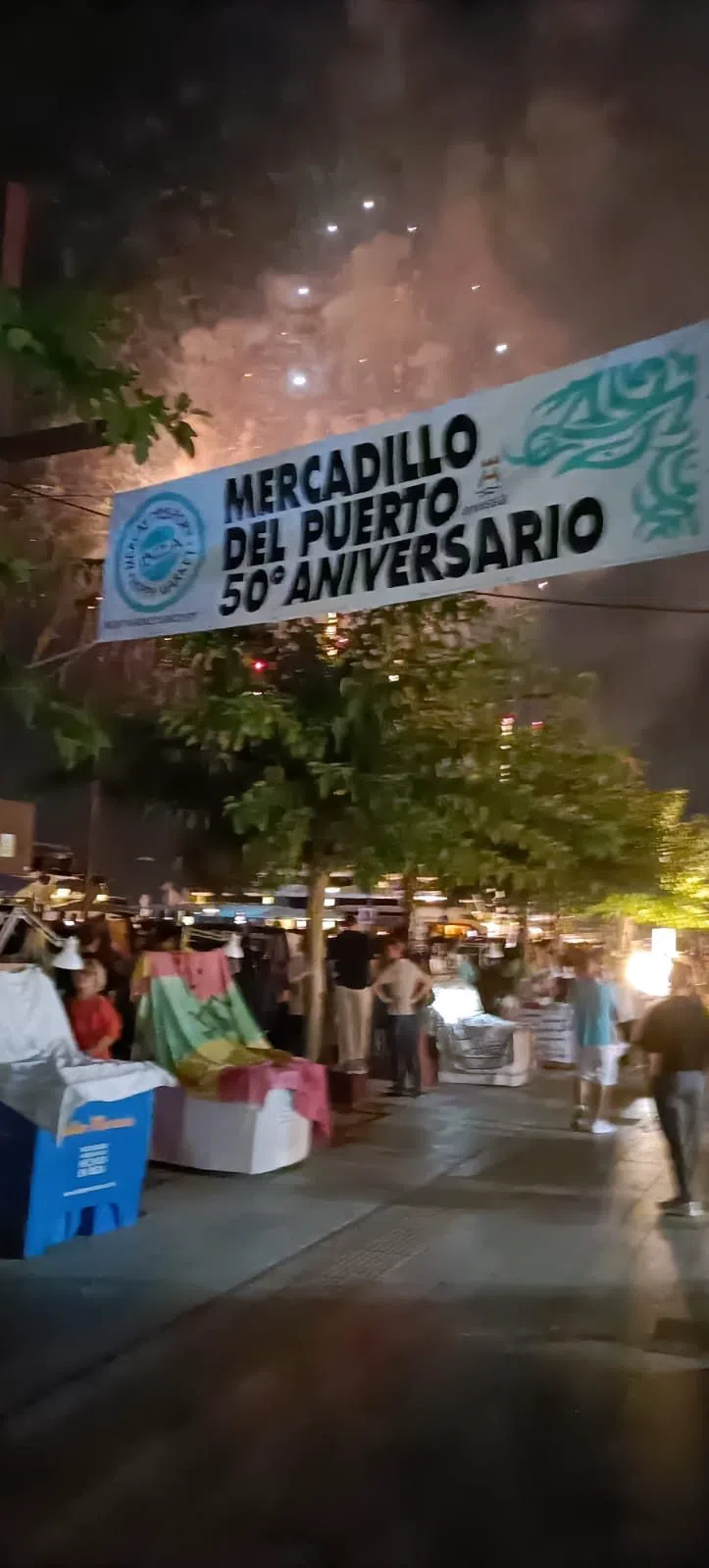
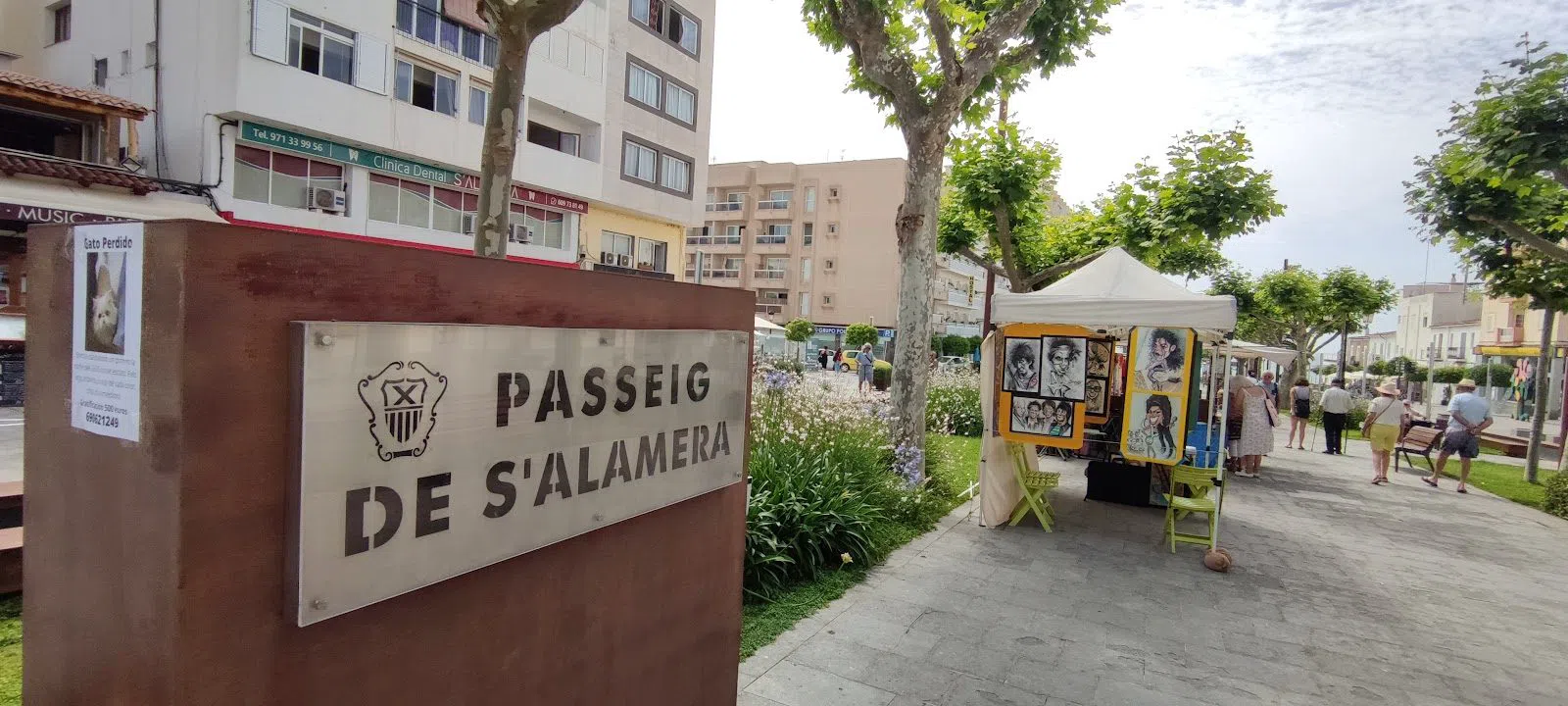
Some markets earn their place simply by being where you already are. The Santa Eulalia Handicraft Market (on Passeig de s'Alamera, the shaded central boulevard of Santa Eulària des Riu) is the dependable town option — a daytime-into-evening craft market open most days except Wednesday and Sunday, with crafts €5–€50. It's central, shaded and easy for a group killing an hour on a town day; not a pilgrimage, but a reliable, pleasant browse when you're already in town.
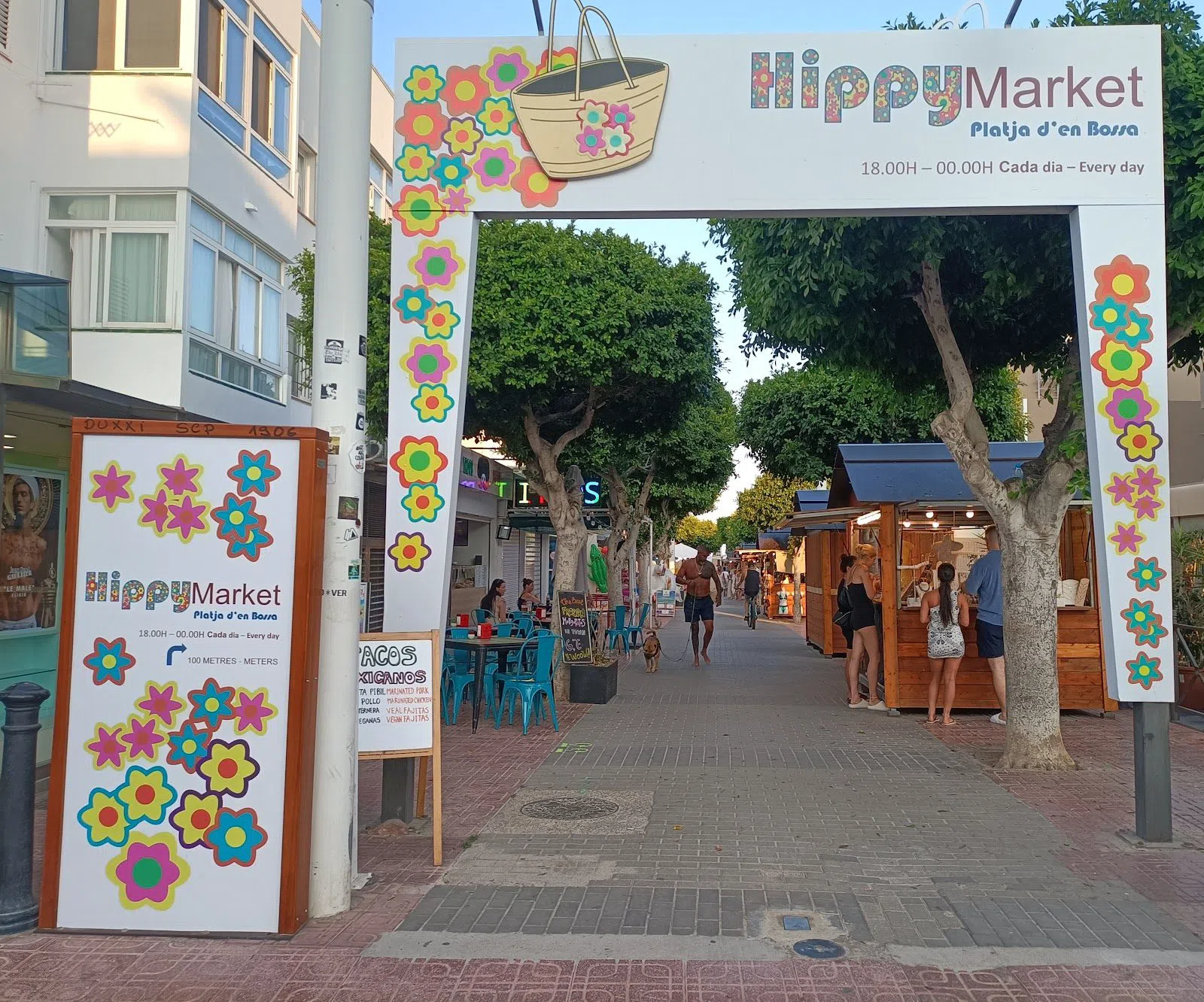
And then there's the Playa d'en Bossa Craft Market (right on the party strip at Platja d'en Bossa, in the south), a nightly summer craft market from May to early October. Let's be honest about this one: it's more souvenir than soul, built for the club crowd who want a bit of browsing before a night out. If you're based in Bossa or heading to a club on the strip it's genuinely convenient — free, open-air, goods €5–€40, and ideal for a stag or hen group already in the area. If you've come to Ibiza for its bohemian roots, though, this isn't where you'll find them; treat it as pre-club filler, not a market on the circuit proper.
The practical bit
Getting around. The markets are scattered across the whole island and most sit in villages or coves that public buses reach slowly, if at all — so a hire car or scooter is close to essential if you want to string two or three together in a day. Taxis exist but can be scarce and pricey in peak summer, especially late; agree the fare or make sure the meter's running. Parking at the big markets (Las Dalias, Punta Arabí) fills fast, so arrive early and be ready to walk a bit.
Cash. Bring it. Many stalls, especially at the flea market and the smaller village markets, are cash-only, and the nearest ATM can be a drive away. Small notes and coins make haggling and quick buys far easier — nobody wants to break a fifty for a €3 bracelet.
Timing. Mornings for the flagship and local markets (Las Dalias, Punta Arabí, Forada, the Hippodrome) — you beat both the heat and the coach crowds. Evenings for the summer artisan markets (San Rafael, Santa Gertrudis, Sant Miquel), which only make sense once the temperature drops. Check the day of the week before you build a plan around any single market: several run one day only, and the evening artisan markets are summer-season, so out of high season your reliable bets are Saturday's Las Dalias and the year-round village options.
Budget. Entry is free at every market on this list, so your only spend is what you choose to buy and eat. A morning of browsing, a paella and a couple of small souvenirs is an easy, cheap island day — figure €5–€60 for most handmade pieces, more for serious silver or leather. Save the bigger spend for the vetted artisan evenings, where you're actually paying a maker for real work.
Sort your base first and the circuit plans itself — somewhere central like Santa Eulària or Sant Antoni keeps every market within a manageable drive. Start your Ibiza hotel search, pick two markets that match your days, and let the rest of the island fill in around them.
Before you go
Which is the best hippy market in Ibiza?
Las Dalias Hippy Market near Sant Carles is the flagship and the one unmissable entry — open-air, free, running since 1985, with a year-round Saturday market plus summer Sunday and lantern-lit night editions. Punta Arabí in Es Canar is the largest and best for first-timers, but touristier.
When are the Ibiza hippy markets open?
It depends on the market: Las Dalias runs Saturdays year-round (plus summer Sundays and evening night markets), Punta Arabí is Wednesdays April–October, and the Hippodrome flea market and Forada are Saturday mornings. Several artisan markets (San Rafael Thursdays, Santa Gertrudis Fridays) are summer-evening only, so always check the day before you plan around one.
Are the Ibiza hippy markets free to enter?
Yes — every market on the circuit has free entry and no door policy, which also makes them easy for large groups. You only spend on what you buy and eat; handmade goods typically run €5–€60, with second-hand flea-market finds from as little as €1.
Which Ibiza market is the most authentic and least touristy?
Mercat de Forada, a small roadside farmers-and-artisans market on Saturdays, keeps the genuine rural hippie spirit and is a favourite of long-time visitors — arrive for the famous vegan paella around 13:00. The Sant Jordi Hippodrome flea market has the most local feel for bargain-hunters, and the San Rafael evening market vets its sellers so only true artisans exhibit.
Do I need a car to visit the Ibiza hippy markets?
Effectively yes if you want to combine several in a day — they're spread across the island in villages and coves that buses reach slowly, and taxis get scarce and expensive in peak summer. A hire car or scooter plus a stash of cash (many stalls are cash-only) makes the circuit far easier.