By six in Ibiza Town, Dalt Vila is still lit orange from the old streetlamps, and the crates are already sliding off the boats below the walls. This is the island before the tourism day starts: working quays, family docks and stone launch ramps where the fishing carries on as it has for generations, mostly for free, mostly with nobody watching. Get up for it once and the rest of the island reads differently for the whole trip.
Ibiza Town's harbour runs on its own schedule
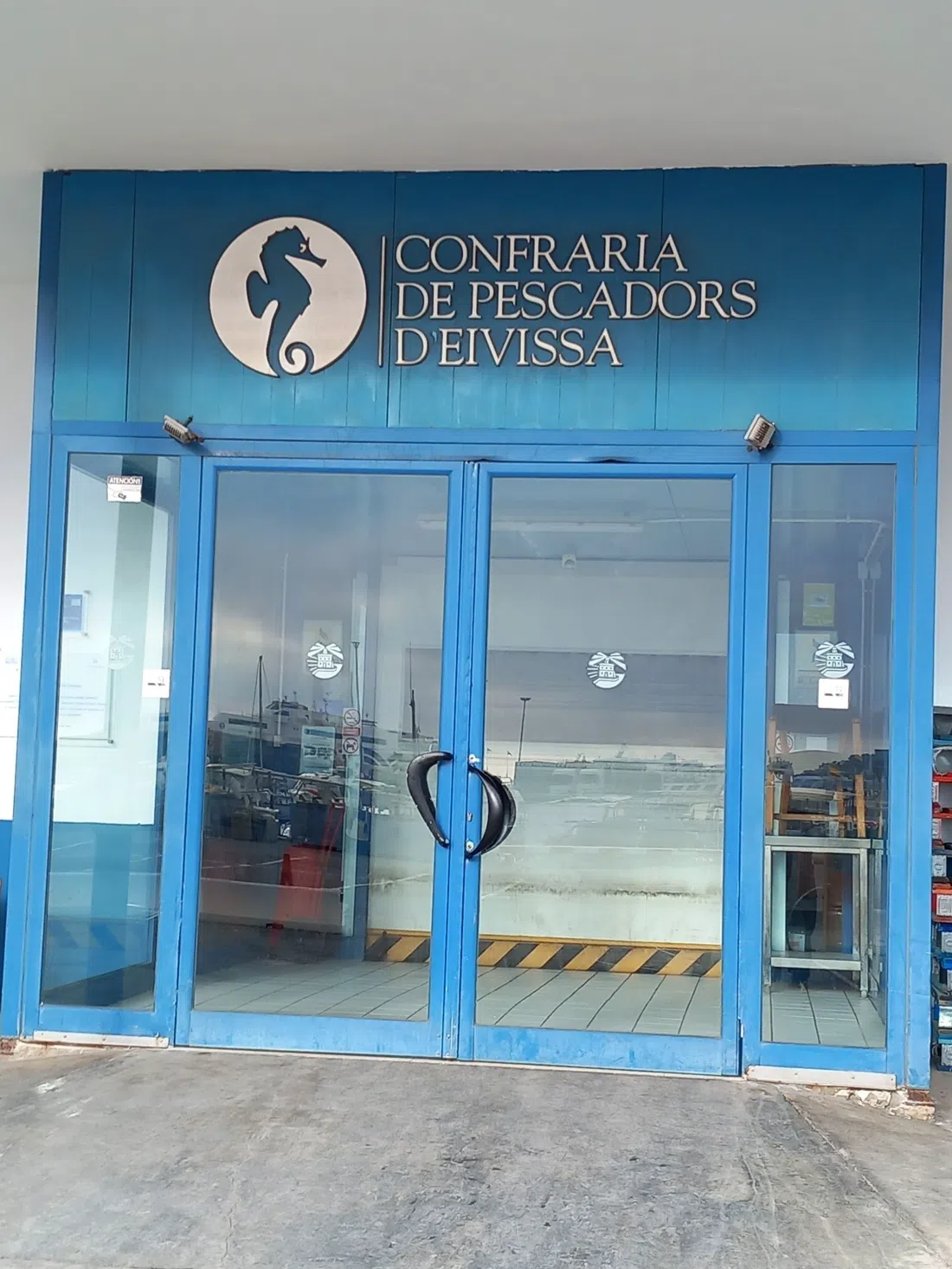
The Muelle Pesquero de Eivissa (Confraria de Pescadors d'Eivissa), tucked right under Dalt Vila's fortress walls in Ibiza Town, is where the island's oldest working fleet still lands and weighs its catch every morning. It's a genuinely free public quay with no booking system and no gate. Groups of any size can walk it quietly before around 8am, though the crates and the trolley runs aren't for stepping over, so keep to the edges and let the men working actually work. What makes it worth the early alarm is the contrast: a few hundred metres away, the day-trip boats that will load holidaymakers by 10am are still tied up empty. For twenty minutes at dawn you get the working version of the same harbour.
From the quay it's a flat, easy 20-25 minute walk (or a five-minute cycle) north along the coast road to Talamanca fishing shacks, on the beach of the same name and the closest working fishing scene to Ibiza Town proper. It's an open beach with no booking needed and any group size is fine, but go before the beach bars open. The shack row here has been getting squeezed year on year by beach-club buildout, and what's left is smaller than it was even a couple of seasons ago. See it now rather than assume it'll still be there next year.
By mid-morning the loop closes at Mercat Nou d'Eivissa, the covered market in Ibiza Town where the auction catch actually ends up on the counters, some of it still dripping. It's an open market and groups are welcome, but this is a working market rather than a spectacle laid on for visitors, so buy something if you're browsing rather than just photographing the stalls. Arrive before 10am for the best of what came in that morning (a whole fresh fish for two runs roughly €15-30) and note it's shut on Sundays.

Sant Antoni behind the sunset bars
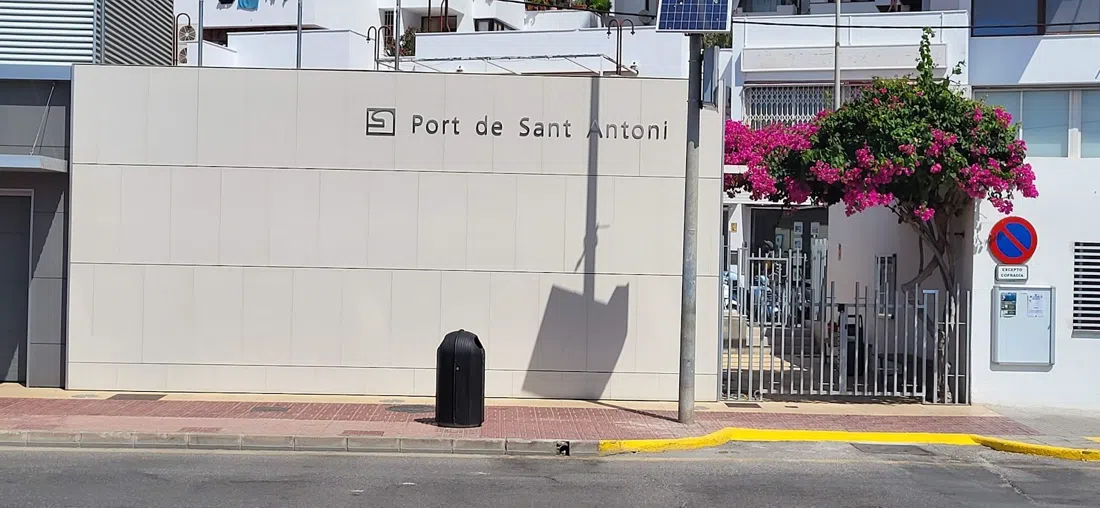
Ten minutes' walk from the sunset-strip bars that give Sant Antoni its reputation, the Cofradía de Pescadores de Sant Antoni is a proper working quay tucked behind the town's yacht club, and half the island's coastline is still fished out of it. It's a public quay, fine for small-to-medium groups early in the morning, but it's a working area rather than a viewing platform. Large tour groups blocking the dock aren't welcome, and rightly so. Go at first light and the difference between this and the bar strip a few hundred metres away does more to explain the island than either place could alone.
Stone ramps the Phoenicians would recognise
South of Ibiza Town, Sa Caleta varadors is one of the most quietly remarkable places on the island for anyone who cares where things come from: a natural cove where Phoenician boats beached some 2,700 years ago, and where small llaüts still launch off the same stone ramps today. It's a public cove and a protected archaeological site, so keep groups small. The access path is narrow and this isn't a place to bring a coach party. Go early and slowly; it rewards quiet more than most stops on this list.
On the west coast, Cala Vadella varadors holds one of the best-preserved rows of boathouses on the island, still used daily by local families rather than restored into a heritage display. It's a public beach and groups are fine off-season or early morning, but the varadors themselves are private property. Admire the row from the path and don't wander into the boathouses. The picture-book version of this scene (whitewashed doors, hauled-up boats, nets drying) is exactly what's here, just working rather than staged.
The family docks up the east coast
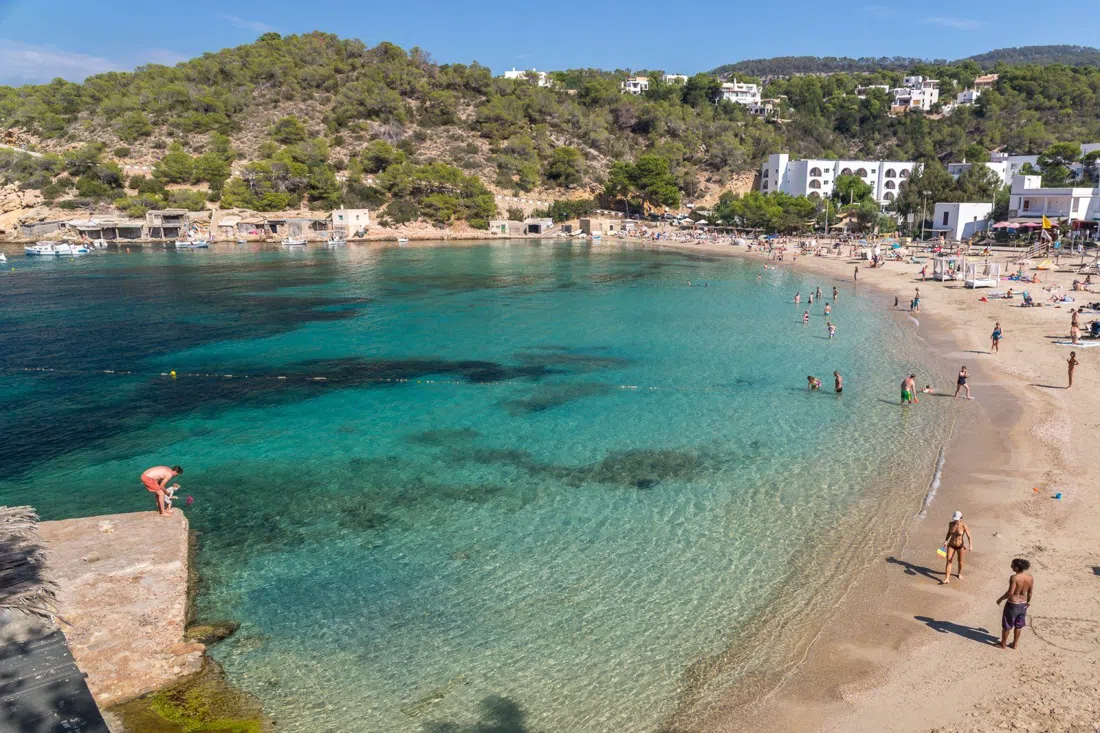
The Santa Eulària fishing dock, on the Passeig Marítim where the river meets the sea, is smaller and quieter than the guild quays in Ibiza Town and Sant Antoni, but it's exactly where Santa Eulària's family-run boats still tie up each dawn. It's an open promenade with family boats rather than a formal guild operation, small groups are welcome and there's nothing to book. Just turn up.
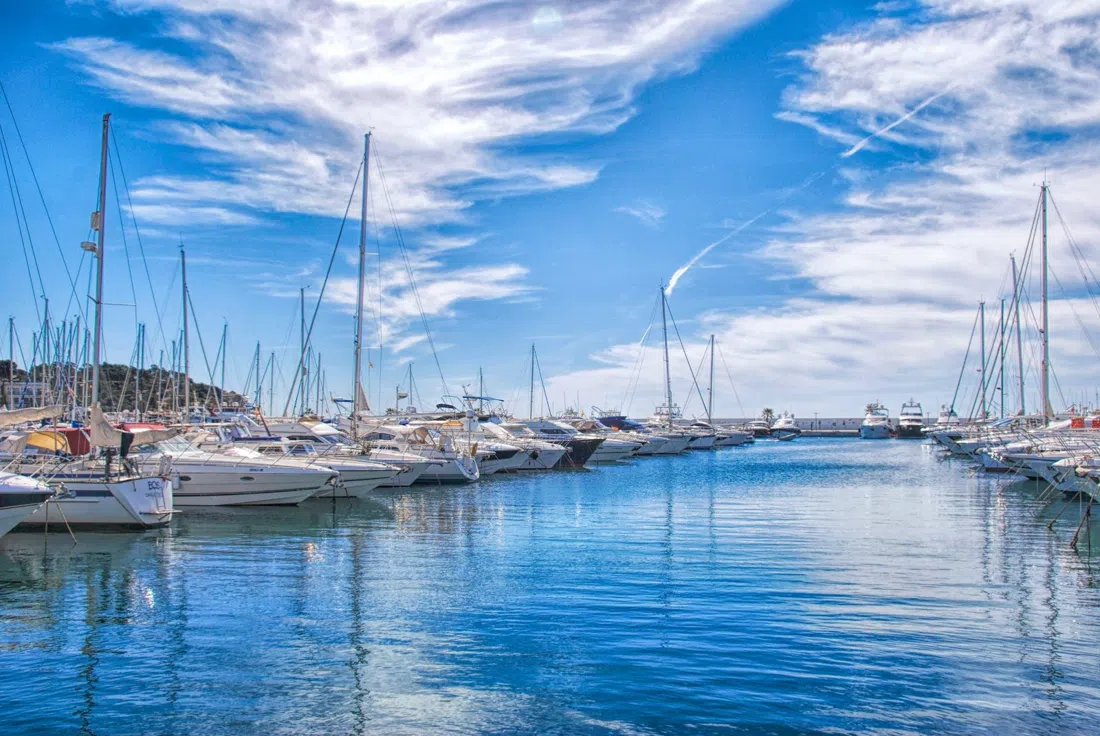
Further up the coast, Es Canar fishing jetty is one of the smallest working jetties on the island: two or three boats, no ceremony, easy to walk straight past if you're not looking for it. It's a tiny public jetty, so keep groups small out of practicality as much as etiquette. There's genuinely not much room. It's worth the short detour precisely because nobody has dressed it up for visitors.
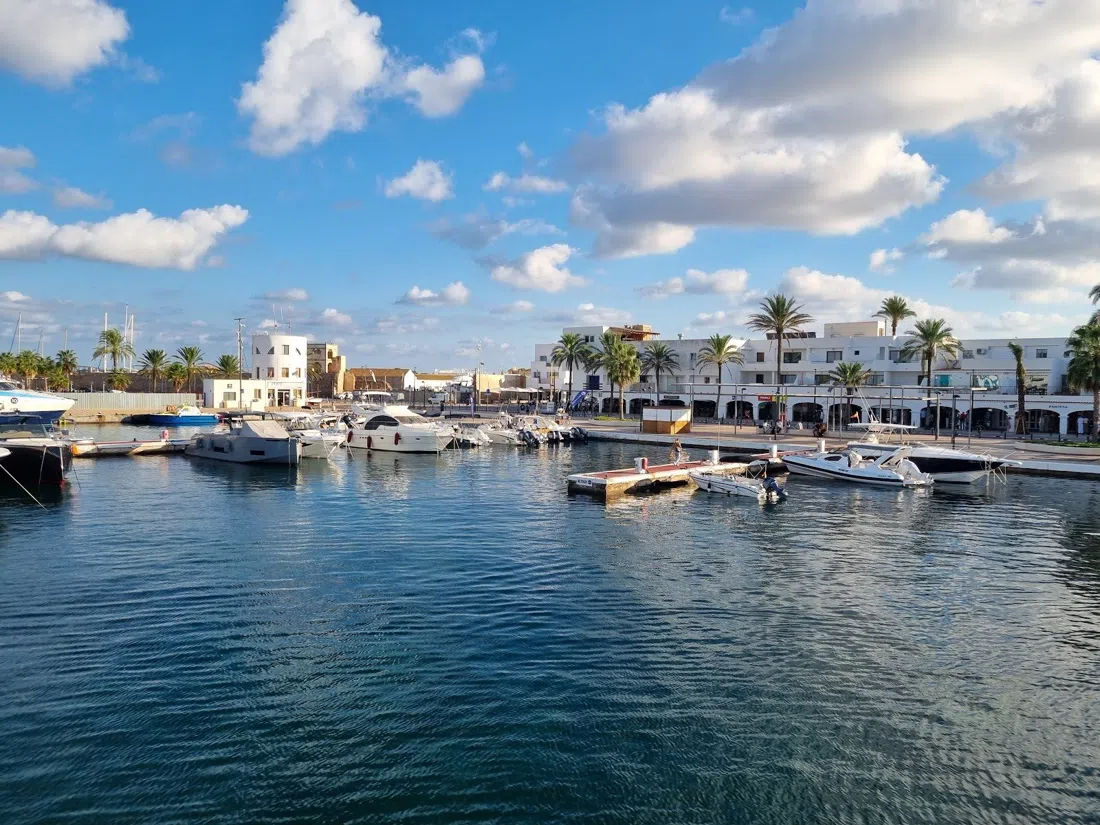
At Cala Llonga fishing jetty, the fishing corner sits inside one of the busier resort bays on the island, which makes the timing more important than at the quieter stops. This is a public beach and jetty and any group size is fine, but go at first light, well before the sunbeds go out, or you'll be looking at a beach club rather than a fishing dock.
The north holds on longer than the postcards suggest
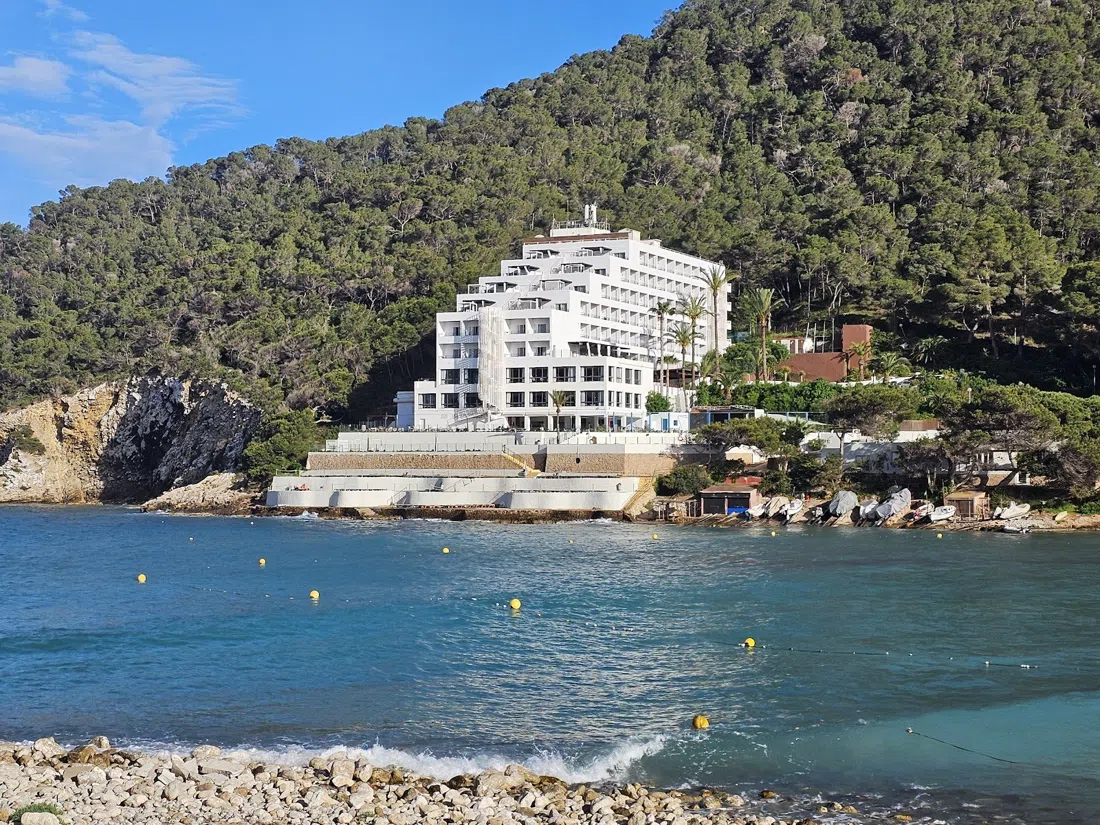
Port de Sant Miquel, a natural harbour on the island's north coast, is worth an honest flag rather than a rose-tinted one: fishing here is now a minority use behind the recreational boats and beach trade that have taken over most of the bay, though the old sheds and a handful of working llaüts are still there. It's a public beach and harbour, fine for any group size, and quietest in the morning before the day's boat trips depart.
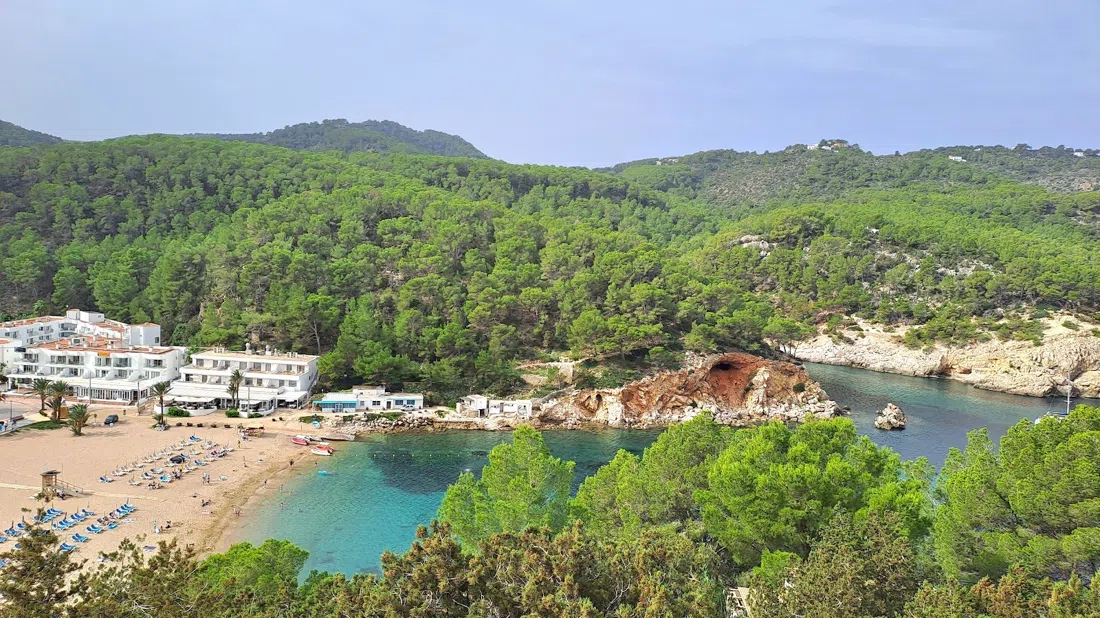
Cala Sant Vicent fishing huts, in the small cove of the same name further round the coast, sit right alongside the tourist beach, a good, low-key spot for the "disappearing trade" side of this story without needing a special trip north. It's a public cove and any group size works, but the huts themselves are private, so this is a look-don't-touch stop.
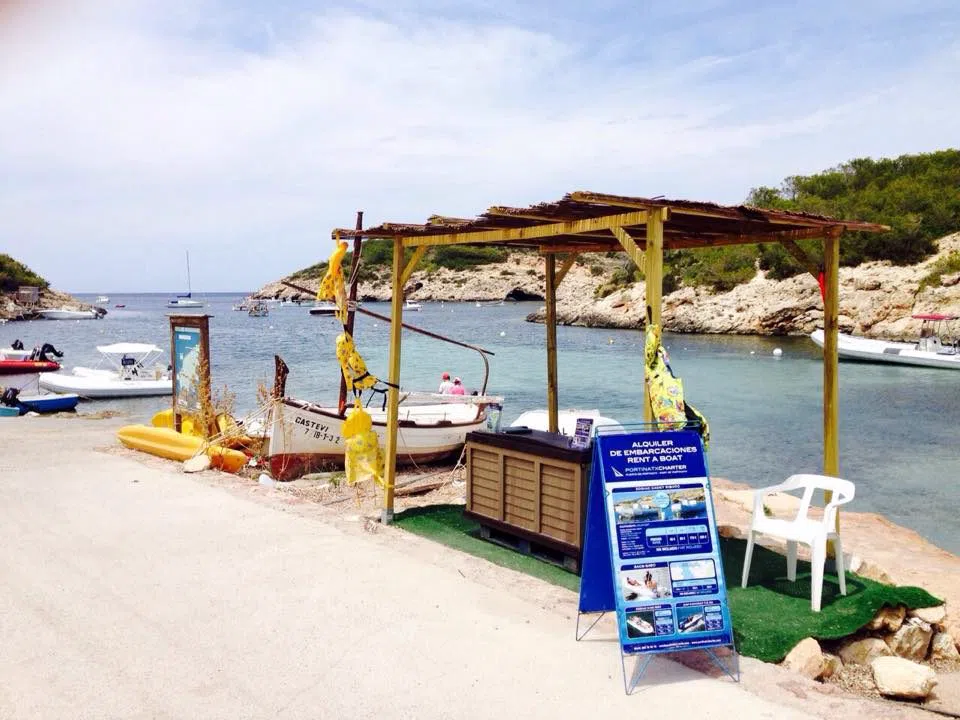
At the island's far northern tip, Portinatx fishing huts make the classic fishing-village postcard (whitewashed sheds, a scatter of llaüts pulled up on the slip) though tourism has outgrown the handful of boats that still shelter here, and it's fair to call this mostly recreational today with a working remnant rather than a fully active port. It's a public port and small-to-medium groups are fine, but again, the huts and boats themselves are private property and best viewed respectfully from the path.
Where the catch actually lands on a plate
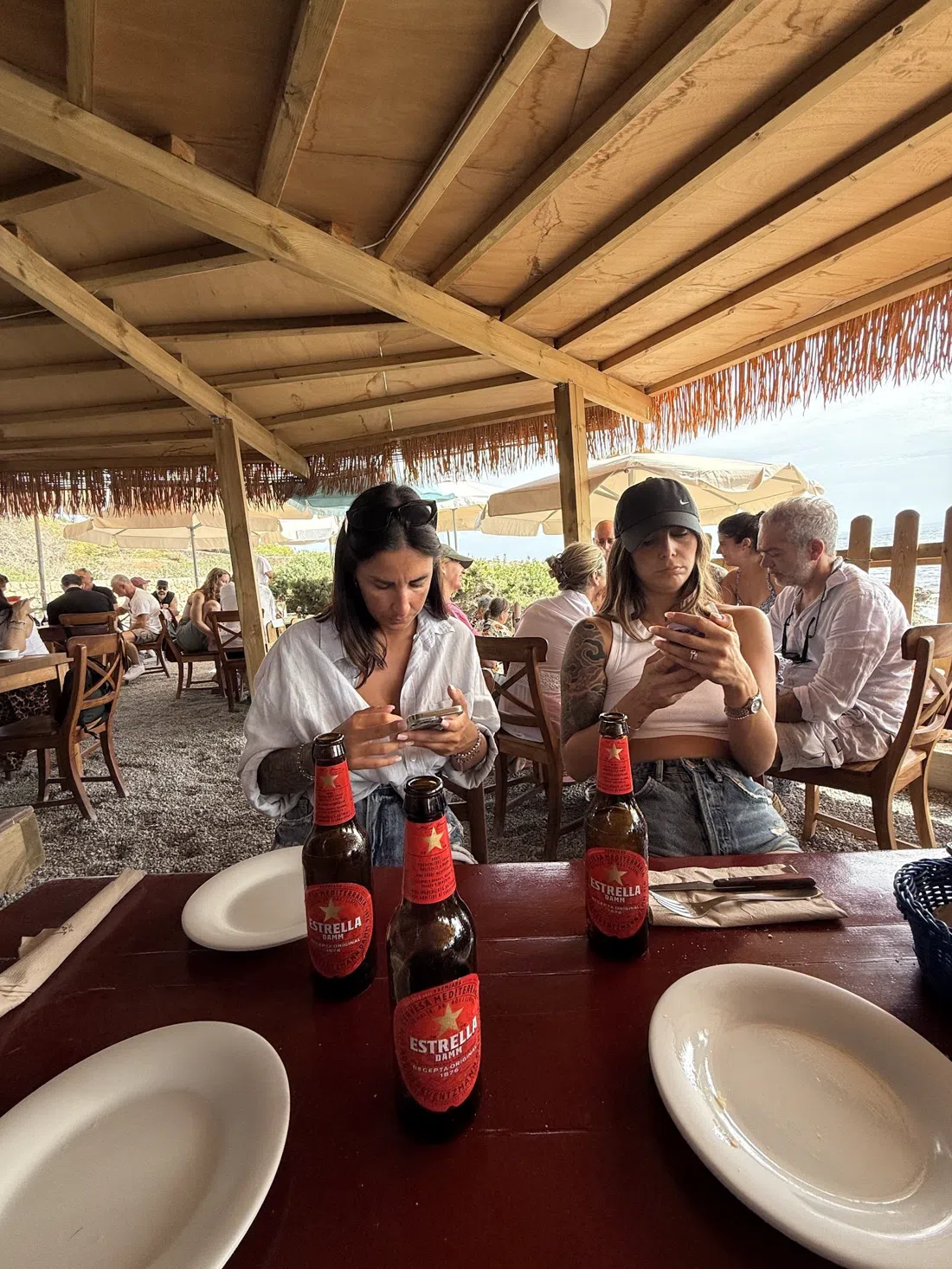
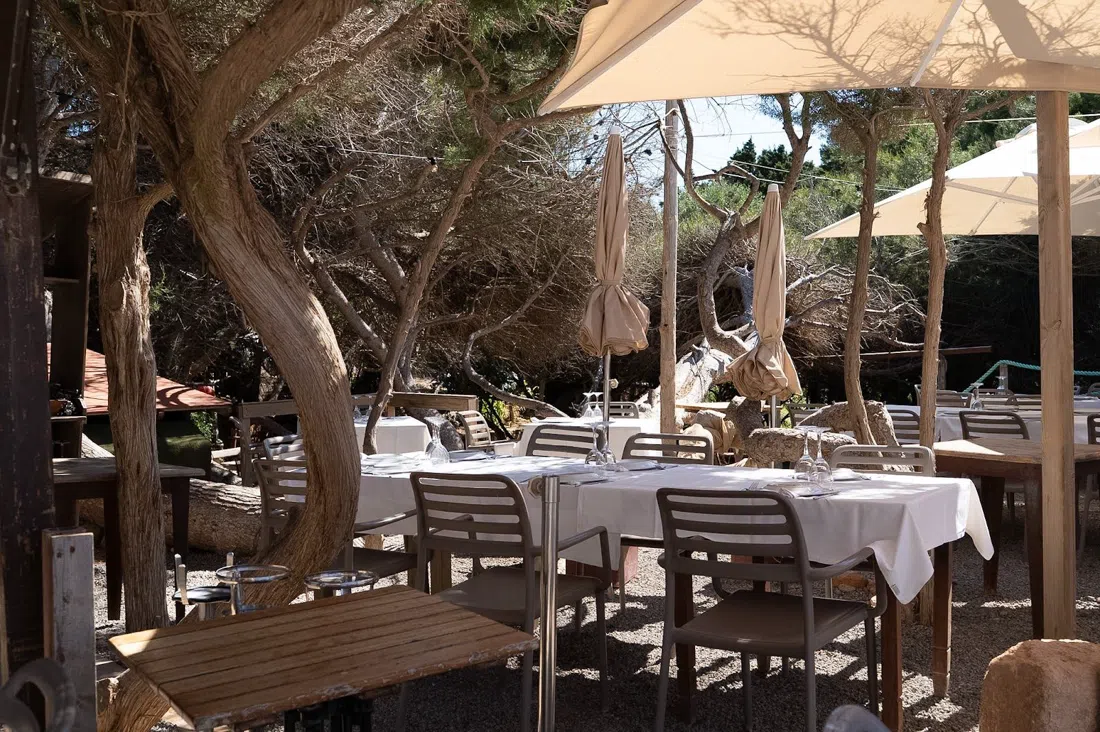
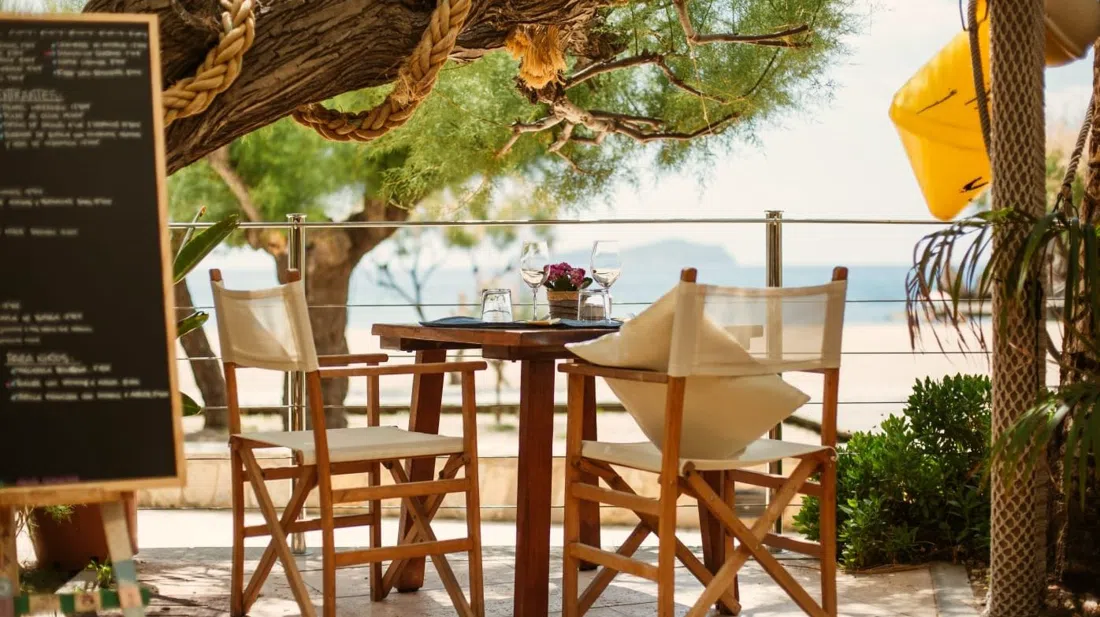
If you want the whole arc from boat to table in one sitting, Es Xarcu, a boat-to-table restaurant on the south coast, is arguably the clearest single place to see it: the fish travels the last ten metres from the boat straight to the kitchen, which says more than any harbour photo op could. It isn't a harbour to walk through. It's a real restaurant, open seasonally roughly April to October, and you should phone or WhatsApp ahead, especially for a group; the terrace suits 6-10 people comfortably but fills fast in July and August. It isn't cheap: whole fish and mains typically run €35-90 per person, and easily €100+ per person with wine, but it's the one stop on this list where the fishing story actually finishes on your plate rather than in a market stall.

Getting the timing and the logistics right
Most of this only works if you're moving before the island properly wakes up, which in August means out of bed by 5.30-6am. Ibiza Town's quay, Talamanca and the Mercat Nou are all walkable from Dalt Vila and each other; almost everywhere else on this list (Sant Antoni, the east-coast docks, the north, Sa Caleta, Cala Vadella) needs a rental car or scooter, since the working harbours by definition aren't near the bus routes built for beach traffic. Roads are quiet at dawn, which makes an early start easier than it sounds, and if you're staying over rather than doing an early flight, an Ibiza hotel search is worth doing with proximity to Ibiza Town or Santa Eulària in mind, since both put you within a short drive of two or three stops on this route before breakfast. For the rest of the island beyond these harbours, the Ibiza guide covers where to base yourself and what else the island does well.
Cash is worth carrying for the Mercat Nou and for tipping if anyone at the quays points you toward a stall or a boat worth watching, though nothing here actually charges for entry: every stop bar Es Xarcu is free, and Es Xarcu itself takes cards. Budget the whole loop as a half-day: dawn at one or two harbours, the market by 9.30-10am, and you're done well before the beach clubs open. None of it needs booking except the restaurant, and none of it needs more than good shoes, an early alarm, and the discipline to stay out of the way of people actually working.